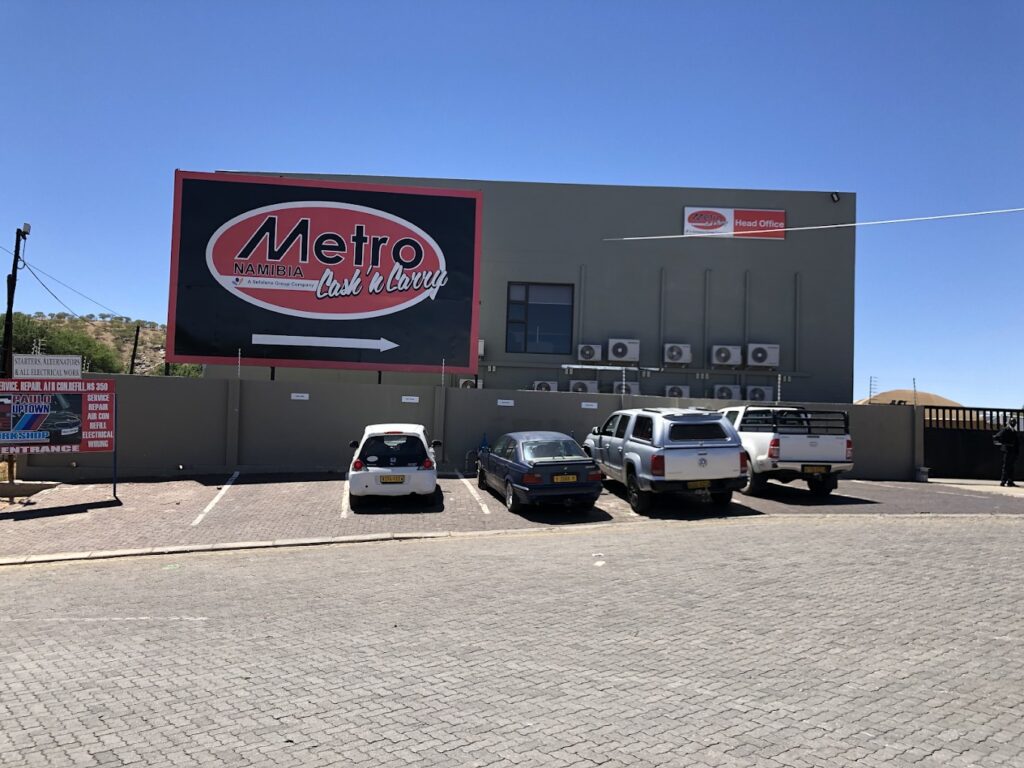
Metro Namibia has grown its turnover from N$500 million to N$5 billion while increasing its workforce from 300 to more than 2,000 employees over the past 12 years,
Speaking in an interview with The Brief, the company’s Managing Director, Bryan Davis, said Metro has evolved from a wholesale business into a hybrid model that serves both wholesale and retail customers across the country.
“To illustrate our growth pattern, when we acquired the company, we had 12 stores, today, we have 33 outlets. At that time, our turnover was about N$500 million, and we are now proud to report a turnover of N$5 billion. We employed around 300 people then, and we now employ well over 2,000 people. Our operations span the entire country, from Katima Mulilo in the north to Lüderitz in the south,” he said
He explained that the company has diversified its operations by launching service departments such as bakeries, butcheries, hot-food sections, and fresh produce offerings. Metro recently introduced its Ready-to-Eat range, a project that took nearly two years of research and development to perfect. Davis said the initiative focuses on providing affordable, high-quality meals that suit Namibian tastes.
“It’s been a month since we launched, and the feedback has been overwhelmingly positive. Many customers are returning for their favourite items,” he said.
On employment creation, Davis highlighted that Metro’s expansion has been a major contributor to job opportunities in Namibia. Looking ahead, Metro plans to continue expanding and modernising its stores while maintaining its reputation for affordability.
“Job creation is immensely important for our country’s growth. We’re committed to empowering our people through training and succession planning,” he said.
He added that while the company faces challenges such as rising costs and market competition, it remains optimistic about Namibia’s economic outlook and the opportunities ahead in the retail sector.
“There’s fierce competition out there, but that benefits consumers. Our commitment remains the same, bigger, better, and always cheaper,” Davis said