Namibia plans to establish a specialised unit by March 2026 to ensure wealthy individuals and untaxed sectors contribute their fair share in taxes, as part of broader efforts to strengthen domestic resource mobilisation and close existing revenue gaps.
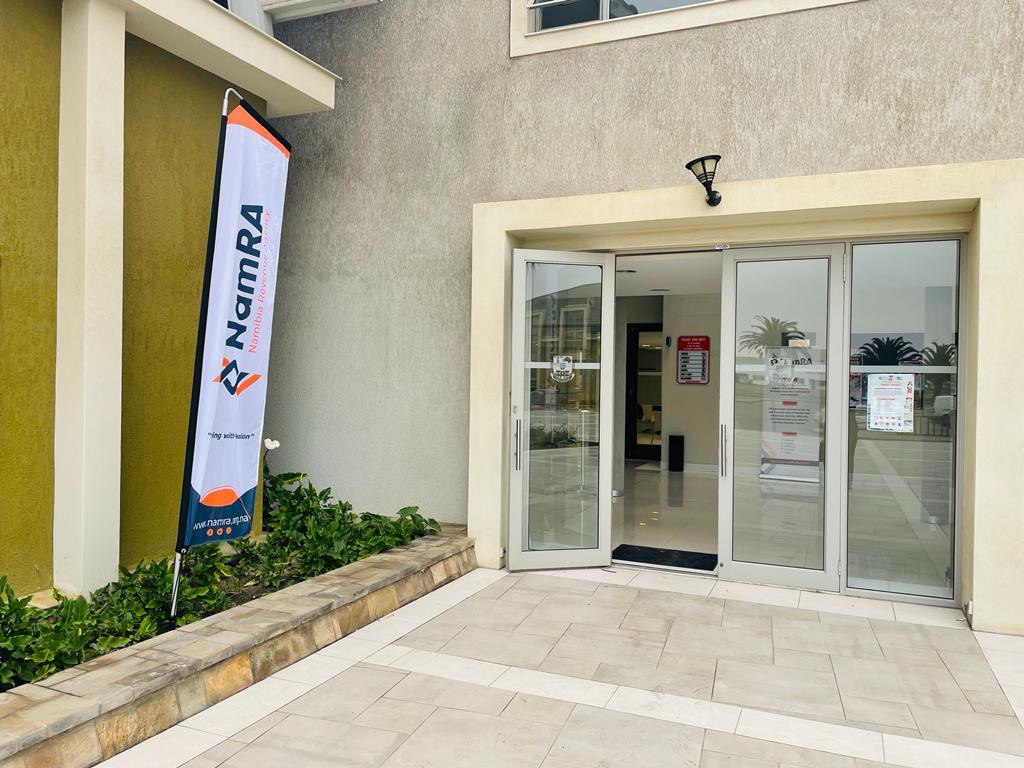
The initiative forms part of new measures announced by the Namibia Revenue Agency (NamRA) to ensure high-income earners and previously untaxed sectors are effectively brought into the tax net.
NamRA Commissioner Sam Shivute said the imbalance between salaried workers and high-net-worth individuals must be addressed, noting that ordinary employees currently contribute more consistently to state revenue than millionaires and billionaires.
“For developing countries like Namibia, the solution lies in taxing high-net-worth individuals more effectively. We cannot continue to have a situation where wage earners pay proportionally more tax than billionaires,” Shivute said.
“Strengthening tax administration and expanding the tax base will secure sustainable financing for our country’s development.”
He added that Namibia cannot rely indefinitely on external financing to support its growth ambitions.
“We must broaden our tax base, not by overtaxing those who are already compliant, but by closing loopholes, tackling illicit financial flows, and ensuring that all sectors and individuals contribute their fair share,” Shivute said.
Finance Minister Ericah Shafudah said the government’s fiscal reform agenda now includes the introduction of a dividend tax, which she described as essential to achieving fairness and long-term fiscal sustainability.
“If Namibia intends to lower its general tax rate, we must first introduce the dividend tax. We cannot remove all sources of revenue at once, or we will have too little to finance development. While the rate itself can be discussed, the introduction of dividend tax is now non-negotiable; it must come,” Shafudah said.
She stressed that the reform is not intended to burden the private sector but to foster predictability and transparency in the tax system.
“Our goal is not to harm the private sector but to ensure fairness, predictability, and sustainability. We want to create a system that attracts investment while maintaining fiscal stability,” she said.
Deloitte Namibia Tax Director Gerda Brand said the proposed measures, including the dividend tax, will promote equity and ensure that all income groups contribute proportionately to national revenue.
“We cannot keep taxing the same group of people who are already compliant. The dividend tax will ensure that individuals who receive dividends also start contributing fairly to the system. That’s the one gap that needs to be closed,” Brand said.
She added that Namibia’s planned reforms are consistent with global best practices.
“Many of the tax changes Namibia is considering are not new; they have been in place elsewhere for years. What we need is a simple, predictable, and transparent system that promotes compliance, builds confidence, and supports reinvestment into the economy,” she said.