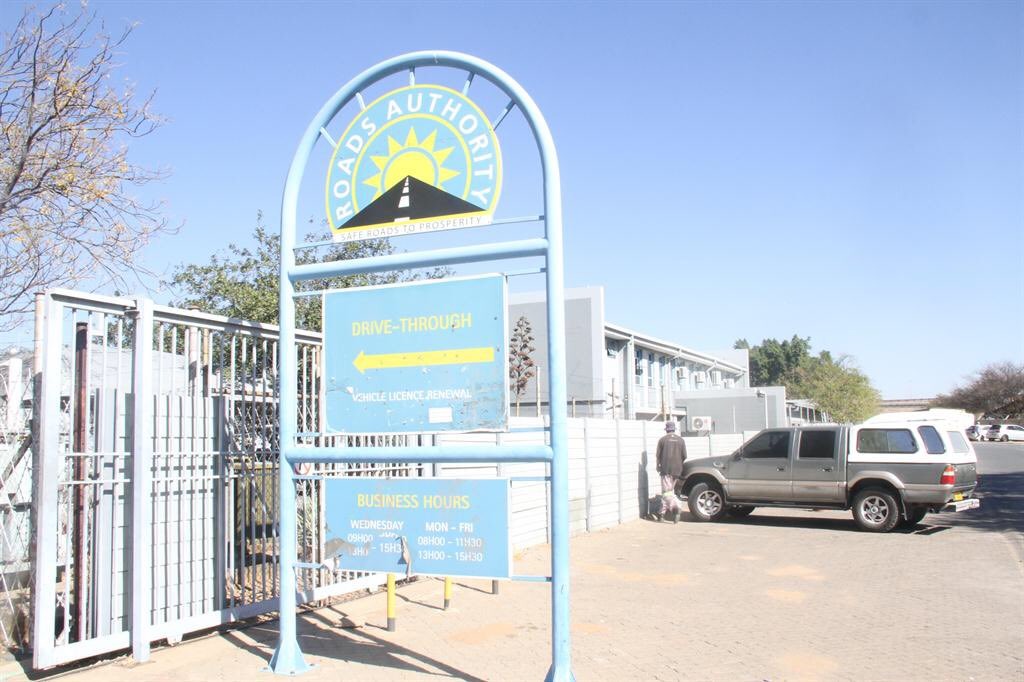
The Ministry of Works and Transport (MWT) will launch pilot projects for computerised learner licence testing and digital payment systems by December 2025, as part of efforts to modernise the Namibia Traffic Information System (NaTIS).
Under the new system, the Book and Pay Module will allow clients to book and pay for NaTIS services online from home, helping to reduce congestion at service centres.
The Computerised Learner Licence Testing (CLLT) will replace manual written tests with 30-minute digital exams that generate instant results. The pilot phase will begin at the Okahandja NaTIS Centre and through the NaTIS mobile testing truck.
“Therefore, we have embarked on the computerized learners license testing, which will enable our customers to undertake a computerized test which only takes 30 minutes to complete, and subsequently eliminate the human marking and distribution of the question papers which are associated with corruption,” said Minister of Works and Transport, Veikko Nekundi.
He added that to improve access in Windhoek, the Ministry has secured land in Wanaheda, near Havana, Hakahana, and Goreangab, for the construction of a new NaTIS service centre.
Nekundi said further reforms, including e-drivers’ licences and an Automated Driving Testing System (ADTS) using sensors and satellite technology, are planned for the next financial year to improve safety and transparency in service delivery.
“The gist is that sensors and satellites will be installed in the testing vehicles as well as around the test yard. In order to ease the burden of the upgrade, NATIS will explore avenues to have customers utilize NATIS vehicles for the test and evaluation instead of the current practice of customers utilizing their own respective vehicles,” he said.
As of September 2025, Namibia’s vehicle population stood at 419,716, with 379,023 registered drivers. NaTIS currently handles around 140,000 transactions per month, generating approximately N$87 million in revenue.
Nekundi noted that these services are often delivered under frustrating conditions marked by long waiting times and high travel costs — challenges the upcoming reforms are designed to address.