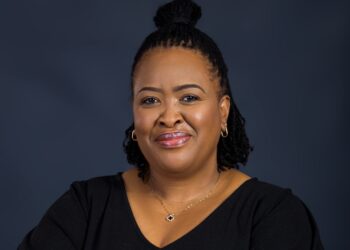
By Fadielah Beukes
One truth that has become increasingly clear in workplaces today is that while technical qualifications may get a candidate noticed, it is their soft skills that secure the job and ensure long-term success.
At APS, where we connect hundreds of candidates to employers across Namibia and beyond, this trend is unmistakable. Employers are placing as much emphasis on a candidate’s ability to communicate, adapt and work in a team as they are on the candidate’s technical knowledge.
What are soft skills and why do they matter?
Soft skills are the interpersonal, behavioural and emotional intelligence traits that allow people to work effectively with others. These include communication, adaptability, problem-solving, time management, teamwork and leadership.
Unlike technical skills, which can be taught through courses or training programmes, soft skills are those skills that are deeply tied to a person’s character, mindset and approach to problem solving. They determine not only how an employee performs individually, but how they elevate a team and contribute to organisational culture.
One thing that is constant is change and collaboration in those moments of change is essential. Employers are realising that a candidate with strong soft skills often outperforms one with only technical expertise.
Through our ongoing engagements with clients in industries as diverse as mining, logistics, hospitality and financial services, we hear a consistent message: “We can train someone on the job, but we cannot teach attitude, resilience or teamwork.”
We can look at the following examples:
- In logistics, adaptability and problem-solving are critical when unexpected delays occur.
- In hospitality, empathy and communication determine whether a customer leaves satisfied.
- In finance, attention to detail and accountability are just as important as technical knowledge.
This reinforces what we see daily as recruiters and that is that technical skills may open the door, but it’s soft skills that keep candidates inside and allow them to progress.
The skills employers cannot ignore
While different industries value specific traits, there are a few universal soft skills that every employer is actively seeking:
- Communication: The ability to listen, articulate ideas clearly and translate messages to different audiences.
- Teamwork & collaboration: Working effectively with others across departments and cultural backgrounds.
- Adaptability: Thriving in changing environments, from new technologies to shifting client needs.
- Problem-Solving: Approaching challenges with creativity and a solutions-driven mindset.
- Emotional Intelligence: Understanding one’s own emotions and those of others to navigate workplace dynamics.
These are the skills that shape strong leaders, trusted colleagues and high-performing employees.
The question then arises: how do we ensure candidates develop these skills?
For individuals: Soft skills can be nurtured as early as high school through volunteering, group projects, internships and even part-time jobs. Every interaction is an opportunity to practice communication and teamwork.
For employers: Recruitment processes should assess more than technical qualifications. Structuring interview questions and behavioural assessments that can reveal a candidate’s interpersonal strengths can also play a role in identifying candidates with strong soft skills.
For educators and policymakers: Soft skills training must be integrated into education and vocational programmes, not left to chance.
At APS, we believe that employability is not only about matching qualifications with job descriptions. It is about preparing people to thrive in the workplace and soft skills are at the heart of that preparation.
In a competitive job market, there is a clear shift from employers: soft skills are not “nice-to-haves” anymore, they are hard requirements and as Namibia prepares its workforce for the future, it is these skills that will differentiate candidates, drive career growth and ensure businesses remain resilient in the face of change.
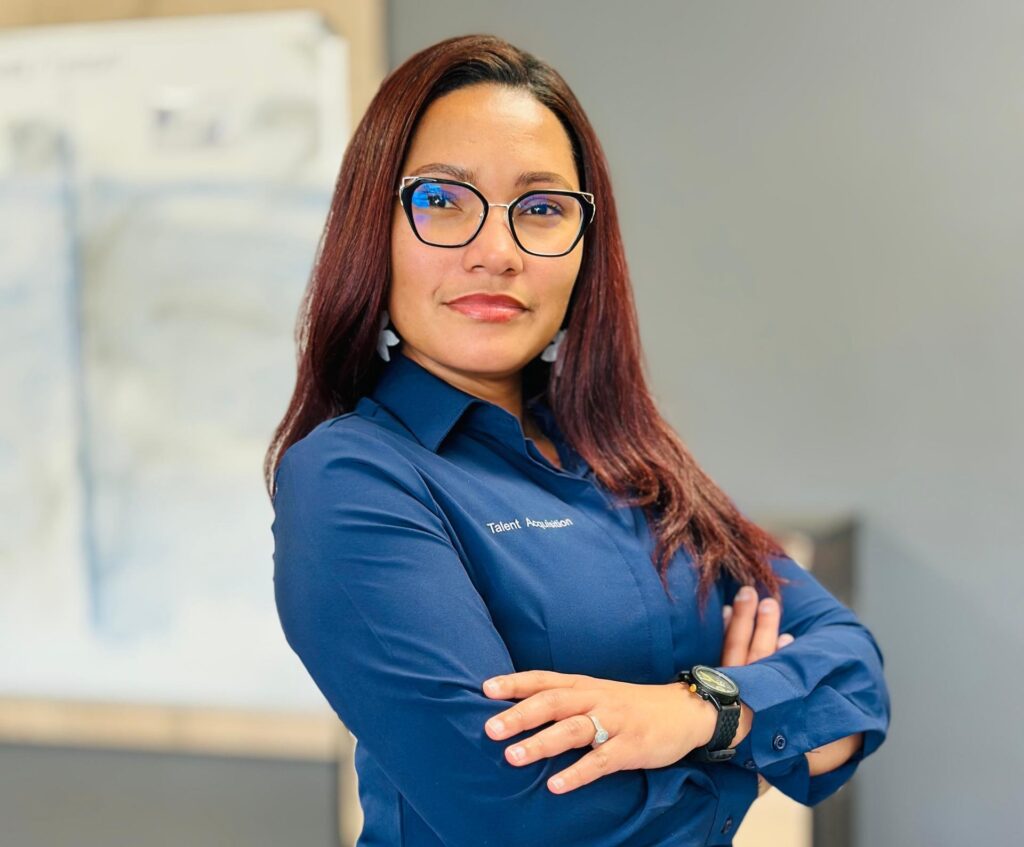
* Fadielah Beukes is a Talent Acquisition Manager at APS