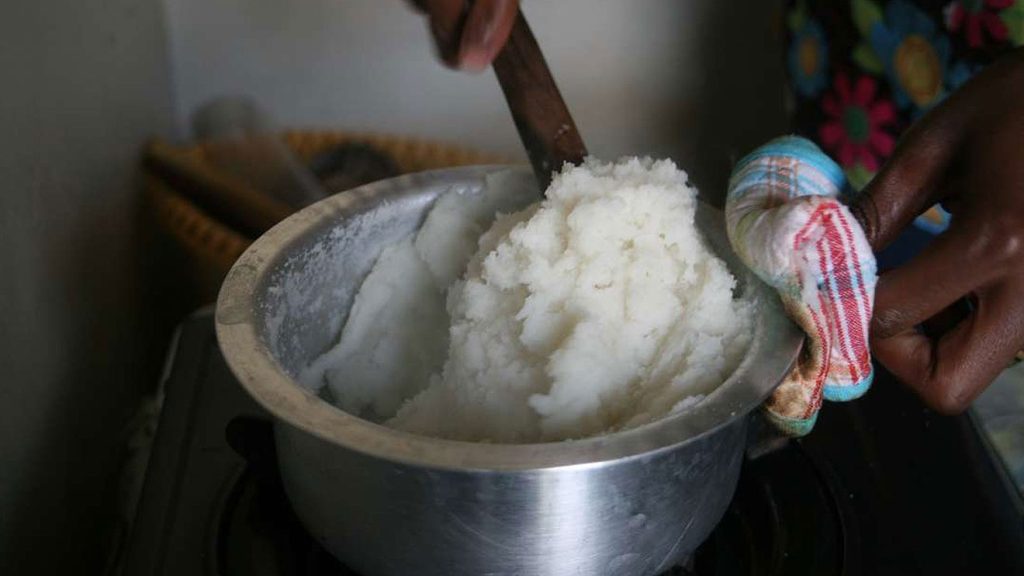
Swakopmund saw the steepest rise in maize meal prices in Namibia during July, climbing 8.6% to N$18.95 per kilogram, according to the Food and Agriculture Organization (FAO).
Windhoek followed at N$17.16 per kilogram with a marginal 0.2% increase, while prices in Otjiwarongo and Gobabis either fell or remained unchanged. Despite this, annual gains across all four towns reached up to 12.3%, the FAO’s GIEWS Food Price Monitoring Bulletin showed.
The FAO said, “retail maize meal prices in Botswana, Eswatini, Lesotho and Namibia generally remained stable between June and July, as falling maize grain prices in South Africa tempered price movements.”
However, the organisation noted that Namibia’s coastal markets experienced notable surges. “Bumper crops eased supply pressure on prices,” the FAO said, but cautioned that localised spikes in areas such as Swakopmund reflected vulnerabilities linked to transport costs and currency fluctuations.
In South Africa, wholesale white maize prices were 21% lower year-on-year following a recovery from last year’s poor harvest, while yellow maize fell 5%. Zambia recorded an average 35% drop in maize prices, supported by a record 3.7 million tonne harvest and a stronger currency.
Other Southern African countries showed mixed trends. Malawi’s maize prices were 61% higher year-on-year after consecutive poor harvests, Zimbabwe’s food inflation eased but remained high at around 28%, and Mozambique’s food inflation slowed to 9% on the back of improved foreign exchange liquidity.
The FAO said that while most of Southern Africa is benefitting from improved grain supplies, Namibia’s price movements underline the sensitivity of regional markets to local supply chains and currency dynamics.