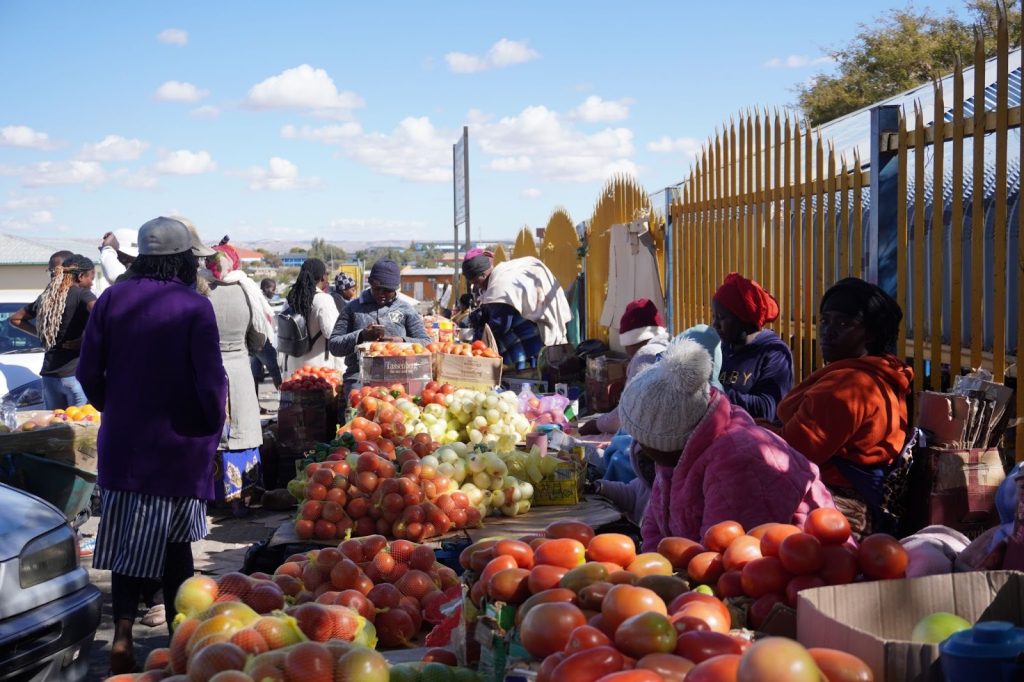
The Bank of Namibia is planning to conduct a detailed assessment of the country’s informal sector before considering steps towards legal recognition to guide policy and support.
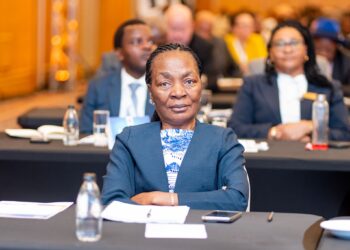
Principal Economist Sesilia Nekwaya said the exercise will identify the size, operators, and sectors of informal businesses.
“This isn’t about formal registration but rather giving them some form of legal recognition. With this recognition, financing becomes more accessible because the businesses are organised. This approach allows the development of informed policy guidance and targeted support,” she said.
Nekwaya noted challenges raised by informal operators during an engagement in Havana earlier this year, including lack of documentation and identification, which prevents access to banking services. One operator said that even with N$15,000 in his account, he was denied a N$5,000 loan, while banks continued to apply fees and earn interest. “Some suggested creating an alternative registration or identity system that allows them to access basic financial services,” Nekwaya added.
She stressed the importance of establishing the scale of informality.
“The main question is how many people this affects and how we can provide practical solutions. Understanding the scale of the issue will help design policies and tools that actually work for these informal businesses,” she said.
In June, the central bank, in collaboration with the United Nations Namibia and several ministries, hosted a two-day Validation Workshop on the Diagnostic of Informality.
The study forms part of efforts to understand the drivers and opportunities of a sector that contributes about 24% of GDP and is Namibia’s largest employer.
According to the African Development Bank, the informal economy remains outside formal systems, limiting its inclusion in official statistics and hindering structural transformation.
It is marked by unregulated employment, lack of labour rights, weak social protection, restricted access to finance, and tax evasion.
Under the Sixth National Development Plan, government has set a target to formalise 950 informal businesses by 2030, up from 310 in 2024, as part of wider efforts to strengthen the MSME sector and promote inclusive growth.