The Ministry of Works and Transport (MWT) has announced plans to develop the Namibian Railway Qualification Framework (NRQF) as part of efforts to improve skills and standards in the country’s rail sector.
The initiative forms part of the second phase of the Transport Infrastructure Improvement Project (TIIP), financed by the African Development Bank (AfDB).
“The framework will be designed to align with national and international standards, improving the quality, relevance, and mobility of skills across the industry.”
The AfDB approved a loan of US$196.43 million in 2023, covering 51.8% of the project’s estimated cost of US$379.12 million. The Namibian government will fund the remaining 48.2%.
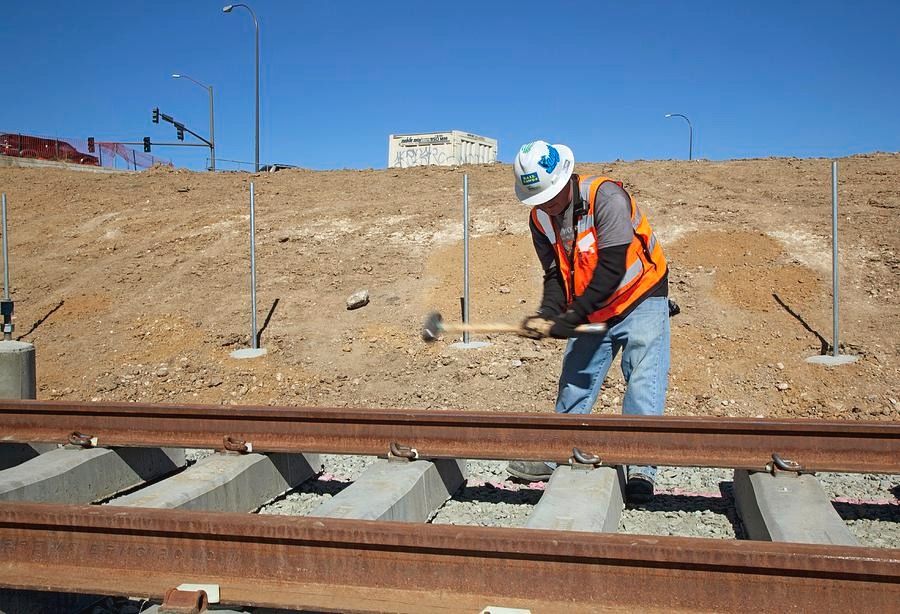
The project will see 207 kilometres of new track laid alongside the existing Kranzberg–Otjiwarongo line, using concrete sleepers and new rails.
Works also include the construction of 16 bridges, the renovation of two stations, and the purchase of 55,000 tonnes of rails to build 518 kilometres of track.
The second phase will further modernise the Walvis Bay–Tsumeb line through upgraded signalling systems aimed at improving safety, reliability and capacity. According to MWT, these upgrades are key to strengthening Namibia’s position as a regional transport hub.
Rail projects, especially those funded by governments or international financiers, often require evidence of competency and compliance, and a qualification framework provides that assurance, supporting project approvals and investor confidence.
Once completed, the AfDB-backed upgrades will bring the total length of rail improved under TIIP to 417 kilometres. The ministry said the work is intended to enhance competitiveness and support the country’s ambition to become a regional logistics hub by 2030, while also benefiting neighbouring countries and the wider region.