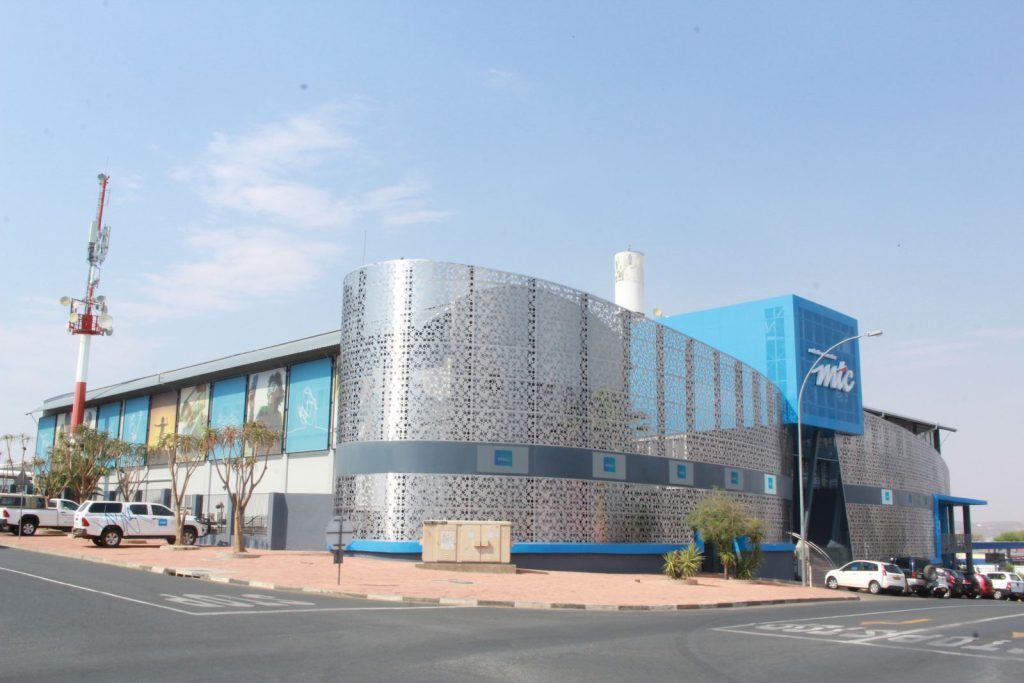
Mobile Telecommunications Limited (MTC) recorded a 15.8% rise in revenue to N$1.82 billion for the six months ending 31 March 2025, up from N$1.57 billion in the same period last year.
The company attributed the growth to consistent subscriber gains, improved product uptake and stronger performance across its service portfolio.
“This robust growth underscores the effectiveness of MTC’s strategy to deepen mobile penetration, scale its digital ecosystem, and strengthen enterprise partnerships,” the listed telco said.
Prepaid services remained the main driver of MTC’s mobile business, with revenue increasing by 18%.
The company said this was fuelled by enhanced bundle offerings, better average revenue per user (ARPU), and strong demand for its Aweh product range.
With more than 57% of the previous financial year’s prepaid revenue already earned in the first half, MTC expects this segment to outperform last year if current trends continue.
Postpaid revenue saw a marginal increase of 0.3% year-on-year, while monthly subscription income grew by 4%.
The Enterprise Business Unit (EBU) reported a 40.1% jump in revenue and a 51% increase in spectra connections, reflecting growing demand from corporate clients.
Sales of devices and accessories rose by 23%, supported by higher demand for handset upgrades and financing options.
Meanwhile, visitor roaming income grew by 26%, which the company linked to a recovery in tourism and new international roaming agreements.
Looking ahead, MTC said it will focus on growing prepaid revenue, accelerating broadband adoption, expanding enterprise contracts, and monetising digital platforms.
“Our focus for the second half of FY2025 is to drive the increase of prepaid revenue, accelerate broadband uptake, and expand enterprise contracts and monetise digital platforms.”
The company also plans to boost its fibre rollout and improve installation capacity, while its enterprise division will pursue high-value clients and regional opportunities.
It added that customer retention, digital engagement, and channel efficiency will remain key priorities.