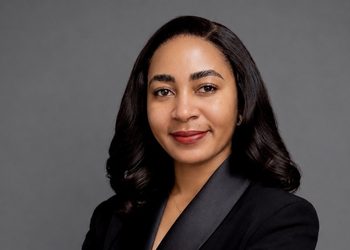
By Paulo Coelho
Have you ever tried breaking a stick in half? You’ll likely find it easier to break it in the middle than at the ends. This simple principle holds a profound truth about organisations: the middle is where it breaks.
In the complex structures of modern businesses, middle management often becomes the stress point where extravagant visions meet ground-level realities.
The Fragile Middle Ground
At the top of the organisational pyramid sits the CEO/MD/Big Cheese and senior leadership—the visionary architects charting the company’s course through space and time. At the base are the frontline employees—the ones who execute tasks and interact directly with products or customers. Bridging these two layers are the middle managers, tasked with translating the grandiose strategies into actionable plans while managing day-to-day operations.
This middle ground is where communication can falter. Like a game of broken telephone we played in primary school, messages from senior leadership may become distorted as they pass through layers of middle management. By the time directives reach frontline employees, the original intent might be muddled, leading to confusion and disengagement. This disconnect can foster a toxic work environment where employees feel undervalued and misaligned with the company’s goals.
Simon Sinek’s Insights on Middle Management
Leadership expert Simon Sinek has extensively explored the challenges faced by middle managers. In his book “Leaders Eat Last,” Sinek emphasises that the strength of any organisation hinges on the ability of its leaders to foster trust and cooperation. Middle managers, positioned between strategy and execution, play a fundamental role in this dynamic.
Sinek points out that middle managers often grapple with pressures from both ends—they must meet the expectations of senior leadership while addressing the concerns of their teams. This dual pressure can lead to severe stress and burnout, affecting their ability to lead effectively. Sinek argues that when middle managers are unsupported, the entire organisational structure becomes vulnerable.
The Circle of Safety
Central to Sinek’s philosophy is the concept of the “Circle of Safety.” This is an environment where employees feel secure, valued, and free to express themselves without fear of retribution, which is common in the Namibian workspace. In such a culture, trust flourishes, and teams are more collaborative and innovative.
For middle managers, creating a Circle of Safety involves:
- Building Trust: Establishing open lines of communication where team members can share ideas and concerns.
- Empowering Teams: Allowing employees autonomy in their roles to encourage ownership and accountability.
- Demonstrating Empathy: Understanding and addressing the personal and professional needs of team members.
When middle managers cultivate this environment, they not only enhance team performance but also reinforce the organisation’s overall resilience.
The Challenges of the Middle Position
Several factors contribute to the difficulties faced by middle managers:
- Alignment with the overall company Vision: Translating abstract strategic goals into concrete tasks requires clarity and understanding. Without clear guidance, middle managers may struggle to align their teams with the company’s vision.
- Limited Resources: Middle managers often have to achieve ambitious targets with limited resources, leading to stress and potential burnout.
- Resistance to Change: Frontline employees may be resistant to new initiatives, especially if past experiences have bred cynicism or mistrust.
- Micromanagement Tendencies: Under pressure to deliver results, some middle managers may resort to micromanagement, stifling creativity and diminishing team morale.
To address these challenges, both middle managers and senior leadership can take proactive steps:
For Middle Managers:
- Enhance Communication: Actively seek clarification from senior leaders and ensure that messages are accurately conveyed to the team.
- Develop Leadership Skills: Invest in personal development to improve leadership capabilities, emotional intelligence, and conflict resolution skills.
- Foster Team Engagement: Encourage team participation in decision-making processes to boost engagement and accountability.
- Provide Feedback Upwards: Serve as the voice of the team to senior leadership, sharing insights and feedback from the frontline.
For Senior Leadership:
- Support Middle Management: Provide training, resources, and mentorship to equip middle managers for success.
- Clarify Expectations: Offer clear, consistent communication regarding organizational goals and how each team contributes to them.
- Cultivate a Positive Culture: Lead by example in fostering a culture of trust, respect, and openness throughout the organization.
The Imperative of Trust
Simon Sinek emphasises that trust is the cornerstone of effective leadership at all levels. Without trust, teams become siloed, communication breaks down, and the organisation’s ability to adapt diminishes. Middle managers are crucial in building this trust, serving as the linchpin between strategy and execution.
In the end, the middle ground of an organisation is a critical intersection where visionary strategy meets reality. It’s where grand strategies are tested against operational capabilities. Recognising that “the middle is where it breaks” underscores the importance of empowering middle managers. By providing them with the support, resources, and authority they need, organizations can ensure that their strategic visions are effectively realised.
As Simon Sinek eloquently puts it, “Leadership is not about being in charge. It is about taking care of those in your charge.” When organisations prioritise the well-being and development of their middle managers, they reinforce the very core of their structure. This not only prevents the proverbial twig from snapping but also cultivates a resilient, high-performing organization capable of achieving its grandest visions.
*Paulo Coelho is a serial entrepreneur and the current Manager for Marketing, Communications, and PR at the National Oil Company.