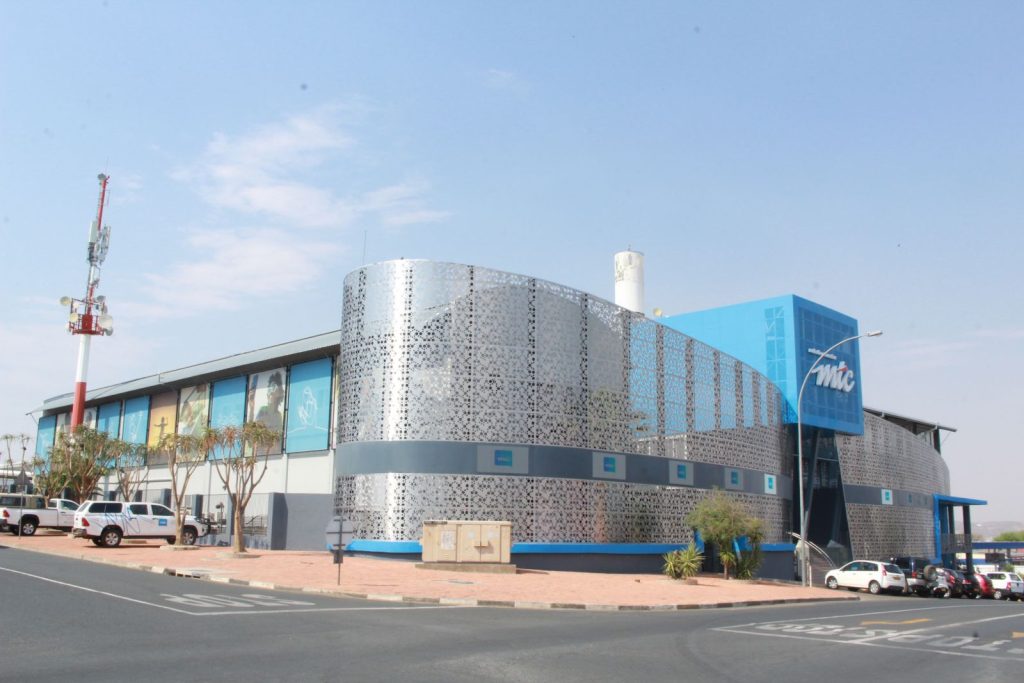
Mobile Telecommunications Limited (MTC) plans to upgrade 180 network sites across nine regions and expand 4G/LTE capacity at another 33 sites nationwide before the end of 2026 as part of efforts to address persistent connectivity challenges in Namibia.
The upgrades form part of the third phase of Project Buffalo, a rural network improvement programme launched in 2025 following a network audit that identified coverage gaps, ageing infrastructure and areas experiencing poor service quality.
According to MTC, the programme will focus on improving network coverage, strengthening signal quality and increasing network capacity, particularly in rural and underserved communities where customers continue to experience unreliable connectivity.
Erongo and Otjozondjupa will receive the largest number of network upgrades, with 36 sites each, followed by Khomas with 27 sites, Oshikoto with 20 and Omusati with 17.
Ohangwena will receive 16 upgrades, Kavango West 12, while Oshana and Kavango East will each receive eight.
In addition to the 180 network upgrades, MTC plans to expand 4G/LTE capacity at 33 existing sites across 11 regions.
Khomas accounts for the largest share of the planned 4G/LTE capacity expansions, with 14 sites, followed by Otjozondjupa with five and Oshana with three.
Erongo, Hardap and Kunene will each receive two capacity expansions, while //Kharas, Ohangwena, Omaheke, Oshikoto and Zambezi will each receive one.
MTC Chief Spokesperson Tim Ekandjo said the upgrades were intended to address growing demand for mobile data services while improving the reliability of existing network infrastructure.
“Project Buffalo remains a strategic investment in Namibia’s digital future. Through these upgrades and capacity enhancements, we are not only improving network performance, but also creating greater opportunities for education, entrepreneurship, healthcare access and socio-economic participation in communities across the country,” he said.
“As customer needs evolve and data consumption continues to increase, it is imperative that we continuously modernise our infrastructure to meet those demands.”
The company said the programme was also responding to complaints from customers experiencing inconsistent connectivity despite living in areas where network infrastructure was already installed.
Project Buffalo is intended to address these problems through network optimisation, modernisation of older infrastructure and improvements to network configurations.
The programme also aims to strengthen network resilience and expand access to high-speed mobile data services in communities with limited connectivity.
Ekandjo said the third phase formed part of MTC’s broader objective of expanding nationwide connectivity and improving access to digital services.
“Project Buffalo continues to align with our long-term vision of achieving nationwide connectivity, bridging the digital divide and ensuring equitable access to digital services regardless of geographic location. The enhancements will also deliver improved voice quality and stronger data performance,” he said.
The planned work will cover 213 site upgrades and capacity expansions in total, although MTC did not specify whether any of the 33 sites earmarked for 4G/LTE expansion are also included among the 180 sites scheduled for general network upgrades.
MTC has set the end of 2026 as the target for completing the third phase of the programme.