By Lisa Matomola
Organisations spend a great deal of energy attracting candidates, advertising vacancies and shortlisting applicants. Far less attention goes to the people who make the final call: the interview panel. That is a mistake.
An excellent strategy and a strong pool of applicants can still be lost in an interview room that is poorly prepared, disorganised or biased.
Through my work in executive recruitment, I have learned that the quality of the panel shapes the quality of the appointment. A good process does not happen by accident. It takes preparation and sound judgement.
Know the weight of the decision
Appointing a Chief Executive Officer or Chief Financial Officer is not about filling a vacancy. It is about choosing someone who may steward substantial resources, lead hundreds of employees and shape culture for years.
The strongest panels understand this. They do not treat interviews as a chore. Before the first interview, they can answer one question: what kind of leader does this organisation need, not only today, but five years from now? Without that answer, panels default to qualifications and impressive career histories.
Prepare, because candidates do
Candidates usually arrive thoroughly prepared. It is only fair that the panel puts in the same effort.
A prepared panel knows the job description and assessment criteria. Members have read the applications, agreed on the competencies to be assessed and know what a strong, average and weak answer looks like.
For executive roles, I strongly advocate structured, competency-based and scenario-based interviews. Instead of asking a candidate to describe their leadership style, ask how they handled a high-performing but disruptive senior manager. That reveals judgement and maturity in a way a rehearsed answer cannot.
An unprepared panel does more than weaken the assessment. It says something about the organisation’s professionalism.
Efficiency is not rushing
An efficient panel is not one that finishes quickly. It is organised, consistent and respectful of everyone’s time. When a panel starts late, overruns, or leaves candidates waiting without a word, it creates an impression of disorganisation. Many senior candidates take leave, travel long distances and rearrange demanding schedules to be there. Respecting their time is part of respecting their professional standing. But efficiency must never come at the expense of fairness or thoroughness.
The panel is being interviewed too
Candidates are assessing the organisation too. They notice when panel members interrupt one another, contradict each other or seem unfamiliar with the role. From these small signals, they draw conclusions about leadership culture and governance.
A disorganised panel can lose an excellent candidate before an offer is made. The interview room is an extension of your employer brand.
Fairness means evidence, not impressions
Panel members must apply consistent criteria and separate evidence from personal impression. An impressive personality does not automatically mean effective leadership, and a less polished candidate may have exceptional strategic insight.
Members should score candidates independently before deliberating. This limits groupthink, where people drift towards the most dominant voice in the room.
Conflicts of interest must also be declared. In a small professional community like Namibia, panel members will often know candidates. Knowing someone is not automatically a conflict. But any relationship that could compromise, or reasonably appear to compromise, impartiality must be disclosed and assessed.
Probe, but do not interrogate
The most revealing moments in an executive interview come in the follow-up questions. A candidate describes an impressive transformation. A skilled panel asks: what was your specific contribution? What resistance did you meet? What would you do differently?
But panels must challenge without intimidating or embarrassing. An interview is not an interrogation. The purpose is not to prove that the panel knows more than the candidate. It is to establish whether the candidate can succeed in the role.
Get the composition and the deliberation right
Panel membership should not be decided by seniority or availability alone. Choose people whose expertise matches the role, then be clear about who does what. The chairperson manages the process and stops any one voice from dominating. The HR representative or facilitator safeguards consistency and documentation.
The interview does not end when the candidate leaves the room. That is when the most important stage begins. “I liked this candidate” or “I think they will fit in” is not enough. Members must link their views to specific evidence against the criteria. Disagreement is healthy when it is grounded in evidence. Ultimately, the panel must defend its recommendation with documented facts, not personal preference.
Why this matters
Even unsuccessful candidates should leave feeling treated with dignity. They may become future applicants, partners or advocates. Candidates may forget the questions they were asked, but they rarely forget how they were treated.
For organisations, a poor executive appointment is costly: low morale, leadership instability, reputational damage and the expense of starting again. A well-run process supports merit-based appointments and leaves a clear audit trail, which matters in publicly accountable environments. Interview panels belong within an organisation’s governance and risk framework, not in the administrative corner.
Train your panels
Seniority does not make someone a good interviewer. Panel members need to understand competency-based interviewing, unconscious bias, evidence-based scoring and how to document a decision. Having sat on several panels does not mean someone has mastered assessment. Interviewing is a professional skill, and like any other skill, it needs development.
A final reflection
We spend considerable time assessing whether candidates are ready for the job. Perhaps we should spend equal time asking whether our interview panels are ready to assess them. In the end, the quality of the people we appoint is shaped by the quality of the people making the decision.
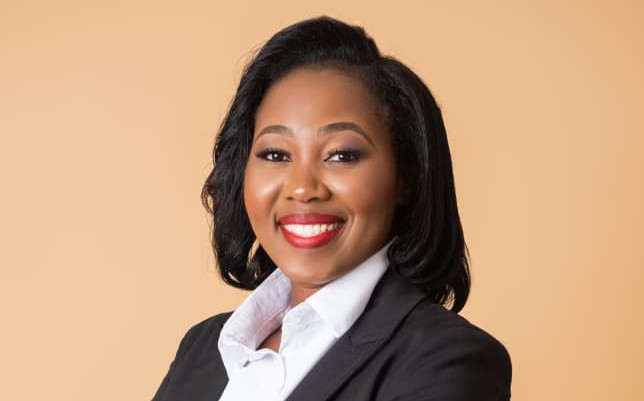
Lisa Matomola is the Founder and Managing Consultant of HITO HR & Training Consultants and CEO of the Institute of People Management (IPM) of Namibia. She specialises in executive recruitment, HR consulting and organisational development.