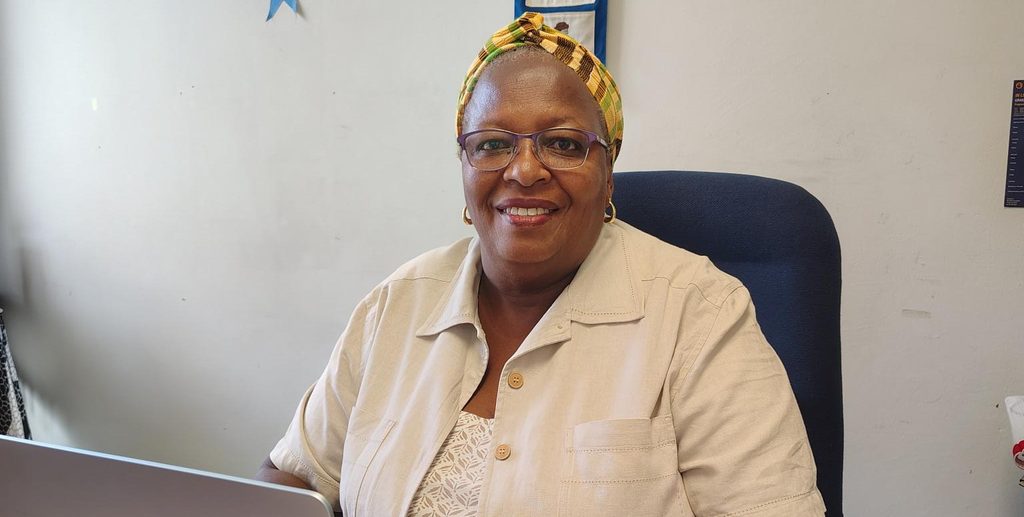
By Dr Wanja Njuguna
Over the years, country to country collaborations between developing and developed countries have seen nations thrive as they exchange information, bilateral trade agreements, and cultural exchanges.
But in recent years, city to city collaborations across the continent and beyond have taken root, as the recent ‘Jiangxi Culture Goes to International Sister Cities (Namibia)’ media publicity event showcased.
The relationship dates back to Namibia’s independence. “In 1990, just one day after our flag was raised, the People’s Republic of China established diplomatic relations with an independent Namibia,” Khomas Regional Governor Hon Sam Nujoma told attendees at the event on 09 September 2026.
His Excellency Dr Sam Nujoma, Namibia’s founding president, travelled to China many times over his lifetime and regarded the Chinese people as comrades, not only in the struggle for political freedom, but also for economic emancipation.
Explaining the long-term effects of strategic international relationships, Governor Nujoma reiterated that “relations between nations are often measured in trade figures and volumes, but what endures between peoples is what they come to understand about one another, the mutual appreciation of each other’s unique culture”.
For China and Namibia, that mutual appreciation cuts across varied spheres of Namibia’s economy, key among them culture, education, mining and media empowerment.
To sustain these kinds of relationships, transnational high-level visits cannot be underestimated. President Netumbo Nandi-Ndaitwah’s July 2026 State visit to China, where she met President Xi Jinping, enabled Namibia and China to elevate their bilateral relationship to a community with a shared future.
According to Ambassador Zhao Weiping, the Jiangxi-Namibia cultural and media bridge gives that elevated relationship a tangible institutional expression, connecting two nations through the oldest and most durable currency of diplomacy: culture.
From Cultural Exchange to Economic Opportunity
Jiangxi Province offers examples of how development initiatives can create opportunities for communities. Famed for its rural revitalisation in Shenshan Village, green economy in Wangxian Valley, shared prosperity through the Zixi Bread project, open development through Nankang Furniture and technological innovation through intelligent manufacturing of vehicle production, the varied projects in Jiangxi can play a critical role in creating job opportunities as sister projects take place in Namibia.
Shenshan Village, previously an almost abandoned village, today prides itself on modern roads, electricity, clean water, internet and opportunities, and is renowned for peach growing and tourism.
Wangxian Valley grew from a granite quarry to cliff-hanging guest houses visited by over three million people, while the Zixi Bread project prides itself on over 40 000 bakers in a city of only 100 000 inhabitants, with over 16 000 bakeries across China.
These examples demonstrate the opportunities that can emerge when local resources, innovation, and development initiatives are connected.
Education as a Driver of Development
One of the key investments that Jiangxi has taken upon itself is educational exchanges. In 2026 alone, more than 4 400 African international students, including 10 from Namibia, have been beneficiaries of technical courses that include mining, economy-trade and traditional Chinese medicine.
For the Namibia University of Science and Technology (NUST), the recent high-level State visit to China, where the University was represented by the then Acting Vice-Chancellor, Prof Andrew Niikondo, and Director of Corporate Engagement and Internationalisation, Ms Nashilongo Gervasius, sought partnerships in higher education, research, innovation, agriculture, technology, investment and skills development.
Among upcoming NUST projects that formed the central focus during the visit to Jiangxi is the proposed Otavi Agricultural Campus, which supports Namibia’s Vision 2030, particularly food security, industrialisation and sustainable employment.
The campus is intended to go beyond conventional agricultural training by connecting agriculture with industrial development. Key areas include agro-processing and value addition, food processing, agricultural mechanisation, entrepreneurship, research and innovation.
Media Cooperation and the Power of Shared Narratives
The recent Memorandum of Understanding on Media Cooperation signed between the Jiangxi International Communication Centre and New Era Publication Corporation is a starting point in a partnership that aims to build on shared values of public interest media, cultural storytelling, journalism education, and people-to-people exchange.
Affirming that media cooperation between Namibia and China has become an important pillar of the bilateral relationship, New Era CEO Christof Maletsky said plans are underway to establish a joint communication centre facilitating greater cooperation and exchanges between media organisations in both countries.
“In our industry, we often say that whoever controls the narrative controls the future. For too long, the stories of the Global South, and of Namibia in particular, have been filtered through external lenses that fail to capture our true dynamism, our struggles and our triumphs,” Maletsky said.
Panel discussions involving journalism academics from the University of Namibia and NUST also highlighted the role of universities as natural academic partners in knowledge exchange, research collaboration and youth development opportunities.
The envisioned exchanges will include personnel, academics, and students between Jiangxi Province and Khomas Region.
The relationship that began with diplomatic recognition has transcended almost every sphere of Namibia. As these collaborations expand, their long-term value will be reflected not only in cultural appreciation and institutional relationships, but also in the opportunities they create for education, innovation, and sustainable employment.
*Dr Wanja Njuguna is a Senior Lecturer of Journalism and Media Technology at the Namibia University of Science and Technology (NUST). The opinions expressed in this piece are her own and not the views of her employer.