FNB Namibia has partnered with the Namibia Revenue Agency (NamRA) and the Business and Intellectual Property Authority (BIPA) to help close compliance gaps among small and medium enterprises (SMEs), with the institutions warning that poor financial management and weak regulatory compliance continue to limit business growth and access to finance.
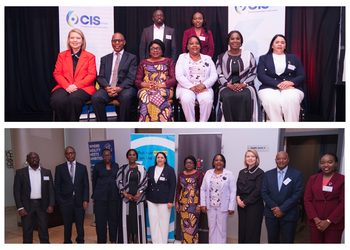
The initiative, held in Ongwediva under FNB Namibia’s SME Financial Literacy Day, brought together entrepreneurs, regulators and financial experts to provide guidance on tax compliance, business registration, credit management, cash flow and governance.
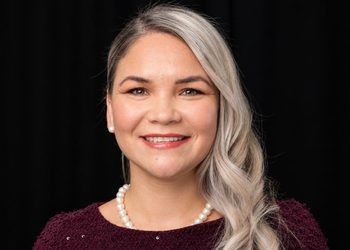
FNB Namibia Head of SME Nesdha De Jongh said entrepreneurs must strengthen their financial management and compliance practices to improve their long-term sustainability.
“Business owners are operating in an environment where understanding your credit profile, maintaining good governance and meeting regulatory requirements have become increasingly important. Financial literacy gives entrepreneurs the confidence to make better decisions, identify opportunities and build businesses that are better prepared for future growth,” she said.
NamRA Acting Manager for Northern Regional Operations Simson Shivolo said tax compliance should be viewed as a business enabler rather than merely a legal obligation.
He said businesses that maintain accurate financial records, submit tax returns on time and keep their registration details up to date are better positioned to secure finance, pursue new opportunities and expand their operations.
“Businesses that maintain accurate records, submit returns on time and keep their registration information up to date are better placed to access opportunities, grow with confidence and contribute to Namibia’s economic development. We encourage businesses to make use of digital platforms such as ITAS to simplify their tax obligations,” Shivolo said.
BIPA Senior Business Registration Officer Elsie Shikindo said formalising businesses remains critical for SMEs seeking investment, finance and participation in public procurement.
“Registering a business creates opportunities to access finance, attract investors, participate in tenders and establish credibility in the marketplace. As businesses grow and innovate, protecting intellectual property and remaining compliant become equally important,” she said.
Oshana Governor Hofni Iipinge said improving compliance and financial literacy would strengthen the resilience of Namibia’s SME sector and support regional economic development.
“SMEs are central to development because they create livelihoods, stimulate innovation and contribute to economic growth. Financial literacy, compliance and creditworthiness are not optional extras for entrepreneurs. They are business survival skills that help enterprises become credible, financeable and ready for larger opportunities,” he said.
The programme forms part of FNB Namibia’s broader efforts to extend financial education and business support services to entrepreneurs outside the country’s main urban centres while promoting stronger compliance and sustainable business growth.