By Clerence Kameeta
Young Namibians are going hundreds of thousands of dollars into debt for aviation training that the country’s own qualifications authority refuses to recognize. The numbers tell a damning story.
Namibia has a pilot shortage that is, by any measure, a national emergency. According to a white paper published by the Aircraft Owners and Pilots Association of Namibia, the country has only 202 commercial pilot licence holders and requires at least 60 additional commercial pilots and 14 additional flight instructors to meet current demand.
The shortfall has forced aircraft operators to ground as much as 45% of their fleets. At the current training pipeline rate, which produces only 10 new pilots per year, AOPA Namibia CEO Matt Totten Jr says it would take approximately six years of uninterrupted training just to fill the existing gap.
Six years. For a shortage that is grounding aircraft and strangling the tourism industry today.
Against this backdrop, one would expect Namibia to be doing everything possible to support, protect, and formally recognize the young people training to become pilots. Instead, the system is doing the opposite, and the consequences are being felt silently by a generation of aspiring aviators who have been failed by the very institutions that should be backing them.
I Am Living This
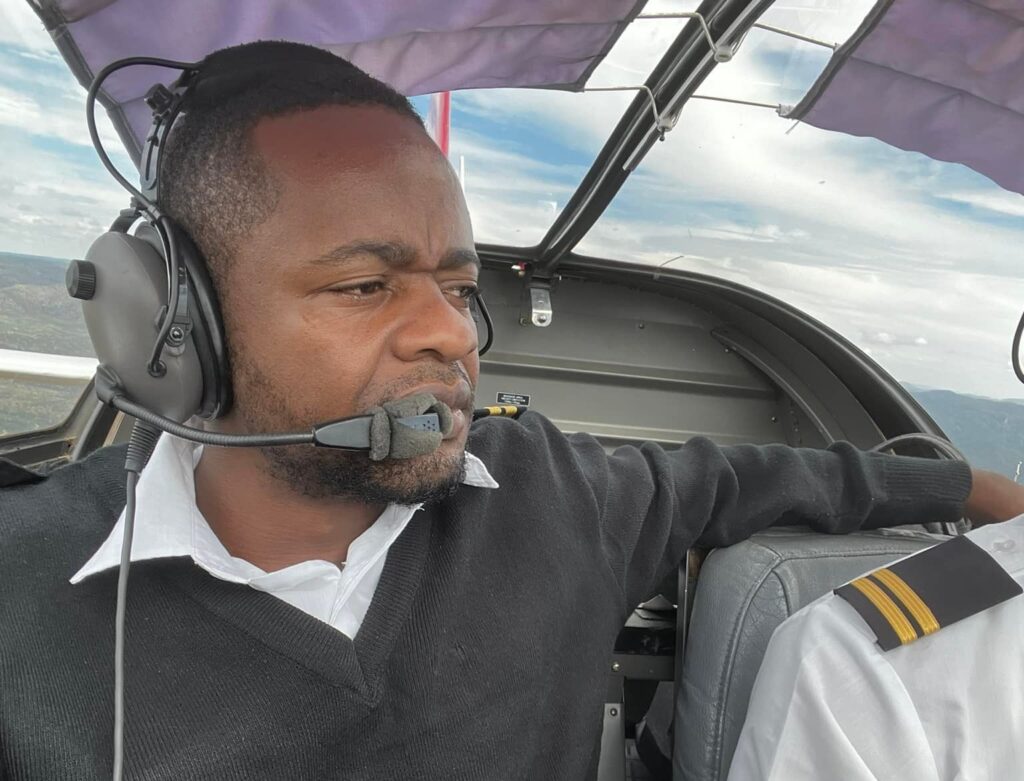
I am one of them.
After accumulating close to N$300,000 in NSFAF debt while pursuing my Private Pilot Licence (PPL), after nearly three years of interrupted and financially strained training caused not by a lack of commitment but by a lack of consistent funding, I approached the Namibia Qualifications Authority (NQA) to have my PPL formally evaluated.
The response was blunt and shocking: it does not qualify for evaluation.
Three years of sacrifice, hundreds of hours of technical study and practical flight training, and a debt that will take years to repay, yet the answer from the country’s qualifications authority is that the qualification simply does not count.
If that does not raise concern, consider what pilot training actually involves before deciding it is not worth recognizing.
What Pilot Training Actually Is
Aviation students are required to master:
• aviation law
• meteorology
• air navigation
• radio communication
• human performance and limitations
• flight planning
• aircraft systems
• operational procedures
• safety management
• emergency decision-making
These are not elective subjects. They are examined, regulated by the Namibia Civil Aviation Authority, and standardized against international aviation safety frameworks.
Alongside the theoretical examinations, students must also demonstrate practical competency in the air under the supervision and assessment of certified flight instructors, in conditions where mistakes carry real consequences.
A single hour of flight training can cost between N$1,800 and N$3,000 depending on the exercise being performed.
Every hour logged represents a significant financial commitment on top of ground school fees, examination costs, and licence application fees.
This is technical and vocational training in every meaningful sense of the phrase.
The fact that it happens at an aerodrome rather than a workshop does not make it any less structured, less demanding, or less deserving of formal recognition.
An electrician, welder, plumber, or diesel mechanic receives vocational recognition through the National Qualifications Framework for technical training, while a pilot, who trains under internationally regulated safety standards and assumes direct responsibility for human lives, does not.
That inconsistency is not a small administrative gap. It is a policy contradiction that deserves serious national discussion.
The State Is Funding a Pathway It Refuses to Recognize
What makes this situation even harder to justify is that NSFAF, a public fund financed by Namibian taxpayers, is actively lending money to aviation students for training that the NQA refuses to evaluate.
The fund reportedly spends more than N$5.5 million annually on aviation training.
The state is funding a training pathway that it simultaneously refuses to place within its own qualifications framework.
That contradiction deserves a public explanation from both NSFAF and the NQA.
The Human Cost Nobody Is Talking About
The human cost of this contradiction goes far beyond the frustration of a single student.
Aviation careers are uniquely fragile. A medical condition can permanently end a pilot’s flying career overnight through circumstances entirely outside their control. Financial hardship can halt training before a commercial licence is reached. Family emergencies, health setbacks, and life realities do not pause while flight hours are accumulated.
The journey from student pilot to commercially licensed aviator is long, expensive, and uncertain, yet Namibia currently offers no formal fallback pathway for those who cannot make it to the end of that road.
What happens to a student who completes a PPL and instrument rating but cannot afford the remaining flight hours for a commercial licence?
What happens to an aspiring aviator who loses their medical certificate and can no longer fly? What happens to the young person who invested three years and N$300,000 into aviation training only to face circumstances that permanently remove them from aviation?
Under the current framework, they are left with debt and years of highly technical training that carry no formal qualification recognition, no academic credit pathway, and little recognition outside the cockpit.
That fear is not imaginary. It is one of the main reasons many talented young Namibians decide against aviation altogether.
Industry leaders have already warned that Namibia faces a severe shortage of young people entering aviation because of the financial burden involved. When those costs come with no formal safety net, no recognized qualification pathway, and no transferable recognition if life circumstances change, many simply choose different careers.
And that is exactly what Namibia cannot afford.
Recognition Would Change Everything
Recognizing pilot training as vocational education within the National Qualifications Framework would change this in practical and immediate ways.
Students who cannot complete commercial training due to financial difficulties would still hold formally recognized qualifications.
Those who lose their medical certificates would still possess credentials with value in aviation operations, safety management, technical training, logistics, and other sectors requiring technical competency and operational discipline.
Young Namibians considering aviation would see a structured pathway with recognized credentials rather than an all-or-nothing gamble where failure means losing everything.
Most importantly, recognition would encourage more young Namibians to pursue aviation careers.
Right now, many people avoid aviation because the financial risk is simply too high without any recognized fallback qualification.
Formal vocational recognition would give aspiring pilots confidence that:
• their training has transferable value
• their technical skills are recognized
• their investment is protected
• they have pathways beyond the cockpit if circumstances change
That matters.
Because if Namibia truly wants to solve its pilot shortage, it cannot focus only on producing pilots. It must also build systems that support, recognize, and protect the people pursuing aviation careers.
There Is No Excuse for Inaction
This is not a call to turn a PPL into a university degree or to lower aviation standards.
It is a call for Namibia to acknowledge what pilot training already is: structured, assessed, technically demanding
vocational education.
Countries such as South Africa already recognize aviation qualifications within formal qualification frameworks.
Namibia can do the same.
Namibia should establish an aviation vocational qualification pathway aligned with international aviation competency standards and integrated into the National Qualifications Framework.
The industry has raised concerns. Officials have acknowledged the shortage. Meetings are promised. Students continue accumulating debt. Aircraft remain grounded. Yet little changes.
This Conversation Is Bigger Than One Person
This is not about one student’s frustration.
There are many aspiring pilots in Namibia carrying the same burden silently, too financially pressured and uncertain about their futures to speak publicly.
They trained because they believed in aviation.
They borrowed because the system told them this was a viable path.
They deserve better than a system that speaks about pilot shortages while failing to recognize the people trying to solve them.
Namibia cannot continue asking young people to risk everything on aviation careers while offering them no formal recognition if the journey becomes impossible to complete.
The pilots this country claims to urgently need are already out there — training, sacrificing, and going into debt.
The only question is whether Namibia’s institutions respect them enough to recognize the work they are doing.
*Clerence Kameeta is a Namibian tech entrepreneur, aviation student, and co-founder of multiple technology-driven initiatives focused on education, automation, and digital transformation. His work explores the intersection of technology, skills development, and youth empowerment in Namibia.