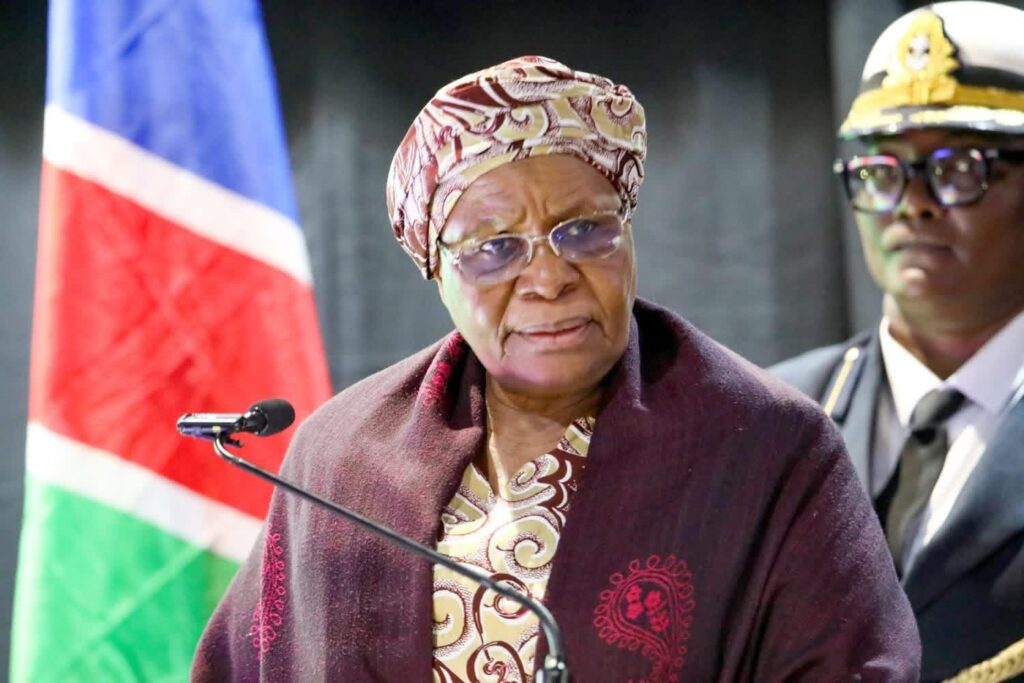
President Netumbo Nandi-Ndaitwah has warned Namibia’s universities against falling behind when it comes to training the skills needed for the country’s growing green hydrogen, clean energy and rare earth value-addition sectors.
Speaking at the University of Namibia April 2026 graduation ceremony in Windhoek, Nandi-Ndaitwah said institutions of higher learning must urgently align their academic programmes with Namibia’s evolving economic priorities.
“It is, therefore, critical that our institutions of higher learning such as UNAM must not be found wanting,” she said.
The President said Namibia is positioning itself to become a major player in green energy, clean energy and green hydrogen, while also pushing to extract more value from its rare earth minerals instead of exporting raw materials.
“We are also positioning ourselves in the fields of green energy, clean energy and green hydrogen as well as prioritising value addition to our rare earth minerals,” she said.
She warned that training institutions cannot afford delays as investment activity accelerates in sectors expected to reshape Namibia’s economy.
“Training in these fields must start today, if it has not already started yesterday,” she said.
Her remarks come as Namibia pushes ahead with major investments in green hydrogen, critical minerals, oil and gas, and renewable energy projects that are expected to create new demand for specialised technical skills.
Nandi-Ndaitwah said government remains committed to funding education, noting that the sector continues to receive the largest allocation in the national budget.
“The government remains firmly committed to providing quality education to every Namibian. It is, therefore, not a coincidence that over the years government has prioritised education by allocating the largest share of the national budget towards this priority sector,” she said.
She described education as a key investment in economic growth, social equity and national development.
The President also highlighted government’s fully subsidised tertiary education model, which covers registration and tuition fees for eligible undergraduate students.
She called on the private sector to expand internship and apprenticeship opportunities to ensure graduates gain practical experience required by industry.
Nandi-Ndaitwah urged graduates to use their qualifications to contribute to national development.
“Utilise the skills you have acquired from the university for the development of your professional careers and the transformation of our country into a prosperous society where all Namibians can enjoy decent living standards,” she said.
President Netumbo Nandi-Ndaitwah has warned Namibia’s universities against falling behind as the country accelerates investment in green hydrogen, clean energy and rare earth mineral value addition.
Speaking at the University of Namibia April 2026 graduation ceremony in Windhoek, Nandi-Ndaitwah said higher learning institutions must urgently align their programmes with the country’s changing economic priorities.
“It is, therefore, critical that our institutions of higher learning such as UNAM must not be found wanting,” she said.
The President said Namibia is positioning itself to become a major player in green energy and mineral beneficiation, making specialised local skills increasingly urgent.
“We are also positioning ourselves in the fields of green energy, clean energy and green hydrogen as well as prioritising value addition to our rare earth minerals,” she said.
She warned that training institutions cannot afford delays as global investment interest in Namibia’s emerging sectors continues to grow.
“Training in these fields must start today, if it has not already started yesterday,” she said.
Her remarks come as Namibia pursues major investments in green hydrogen, critical minerals, oil and gas, and renewable energy projects that are expected to reshape the country’s economy over the coming years.
Nandi-Ndaitwah said government remains committed to funding education as part of broader economic development efforts, noting that the sector continues to receive the largest allocation in the national budget.
“The government remains firmly committed to providing quality education to every Namibian. It is, therefore, not a coincidence that over the years government has prioritised education by allocating the largest share of the national budget towards this priority sector,” she said.
She described education as a key investment in economic growth, social equity and national development.
The President also highlighted government’s fully subsidised tertiary education model, which covers registration and tuition fees for eligible undergraduate students.
She called on the private sector to strengthen internship and apprenticeship opportunities to ensure graduates gain practical experience required by industry.
Nandi-Ndaitwah urged graduates to use their qualifications to help transform Namibia’s economy.
“Utilise the skills you have acquired from the university for the development of your professional careers and the transformation of our country into a prosperous society where all Namibians can enjoy decent living standards,” she said.