By Gerda Brand
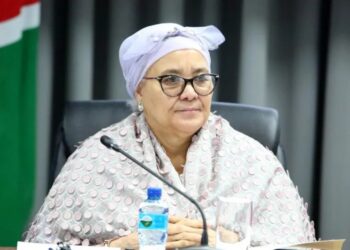
The Minister of Finance, Hon. Ericah Shafudah, delivered the 2026/2027 National Budget on 26 February 2026, emphasizing balance, sustainability, and prudent resource allocation.
Deloitte’s analysis highlights the central themes driving this year’s fiscal direction: restoring economic stability, improving public sector efficiency, and enabling long‑term inclusive growth.
Economic Performance & Revenue Outlook
Namibia’s economy showed mixed sectoral performance in 2025, with primary industries expanding by 2.8%—driven mainly by mining—while secondary industries recorded marginal growth. Inflation moderated to 2.9% in January 2026, and the Bank of Namibia expects an annual average inflation of 3.5% for 2026.
Revenue projections for FY2026/2027 stand at N$89.8 billion, a 2.5% increase from the prior year, though the diamond sector continues to face global headwinds, impacting taxes and royalties. SACU receipts are expected to contribute a strong N$24.3 billion.
The 2025/2026 deficit was reported to be 6.6% of GDP with an expected reduction to 5.5% in 2026/2027.
Expenditure & Fiscal Discipline
Government expenditure is forecast at N$104.1 billion, slightly lower than the preceding year as part of ongoing fiscal consolidation. Key allocations include N$81.3 billion in operational expenses (78.1% of overall expenditure), N$6.5 billion for development projects (6.2% of overall expenditure), and N$16.2 billion for interest payments (15.6% of overall expenditure). Debt remains a significant concern, with total stock at N$174.5 billion (65.2% of GDP), though government aims to stabilize debt levels and keep guarantees below 10% of GDP.
Policy & Tax Reform Agenda
The Minister reaffirmed commitment to advancing several key policy frameworks, including the Namibia Investment Promotion and Facilitation Bill (NEEEF), and the Special Economic Zones Bill.
Tax reforms feature prominently, with proposals including updated individual income tax brackets, revised capital allowances, CSR tax deductions, fringe benefit reviews, and new measures targeting aggressive tax planning under the BEPS Inclusive Framework. No timeframe was discussed for any of these proposals.
VAT modernization continues with the planned implementation of an e‑invoicing system, expected to streamline compliance and enhance real‑time reporting. Additional tax focus areas include property tax band adjustments, potential sugar tax and added levies in the fishing sector.
The Income Tax Amendment Bill that includes local withholding tax on dividends, hybrid mismatches, taxation of long-term insurance companies, deduction of mining rehabilitation provision, reduction of the non-mining corporate tax rate, amongst others will be tabled in the second quarter of 2026.
Conclusion
Overall, the 2026/2027 budget reflects a cautious yet forward‑looking approach, balancing immediate fiscal constraints with strategic investments aimed at long‑term economic resilience and social development.
* Gerda Brand is the Tax Director at Deloitte Namibia