By Simeon Tuyoleni
Lately, I’ve been thinking a lot about how our education system feels a bit like fast food. It is standardised, efficient, and almost the same everywhere you go.
It’s delivered uniformly quickly, but sometimes it leaves you wanting more variety or personalization.
In Namibia, our centralized curriculum already includes a lot of localization, which is good. It builds a strong foundation across the country.
That foundation is important because it ensures that every child receives the same reading, writing, mathematics, and basic knowledge no matter where they are.
However, sometimes the way it is taught does not quite reach the child where they really live, and that gap makes learning feel distant.
Imagine if education felt like a family kitchen where teachers mix lessons to fit each child. Some children love numbers and become excited when they see how those numbers work in real life.
Others dream about starting something of their own or creating things that make them happy. Imagine a classroom full of children following what lights them up inside, mixing their own interests with the skills they need, all while keeping that strong foundation we have.
A teacher can do this right now. When it is time for writing or a project, let the child choose a topic from their own life, something they know well.
The teacher still teaches the same skill of clear sentences, good structure, and proper spelling, but the child writes about what they actually care about, so the work comes with more energy. The lesson stays the same, but the child feels it is about their world.
If we keep teaching every child in exactly the same way, without any room for differences, many will struggle. A teacher can add small personal touches. Ask the class who has something they like doing at home.
Then give options for the activity such as draw it, explain it in words, make a list, or build a small model. The work still meets the lesson goal, but the child picks the way that suits them.
These small changes make everything stronger because children feel more connected and learn better. When school starts to feel like it really belongs to them, children stop switching off.
Too many do that now because the lessons feel far from their real world. But when a teacher brings even a small piece of that world into the classroom by letting a child use their own example or their own way of showing understanding, everything changes.
The child who used to stare out the window suddenly looks up, asks questions, and wants to finish the work.
They stop seeing school as something they just have to get through. They start seeing it as a place where they are seen and where they matter.
In the end, keeping our strong national foundation while making a bit more room for each child’s own interests and daily life is not complicated. It is not about huge changes or things that only look good on paper.
It is simply about not letting any spark go out and not burying any talent. It is how we help our young child leave school ready, ready to start something small in their village, solve everyday problems in their communities, keep our culture alive, and follow dreams that feel true and right for them. That is the kind of education that can really nourish Namibia’s future.
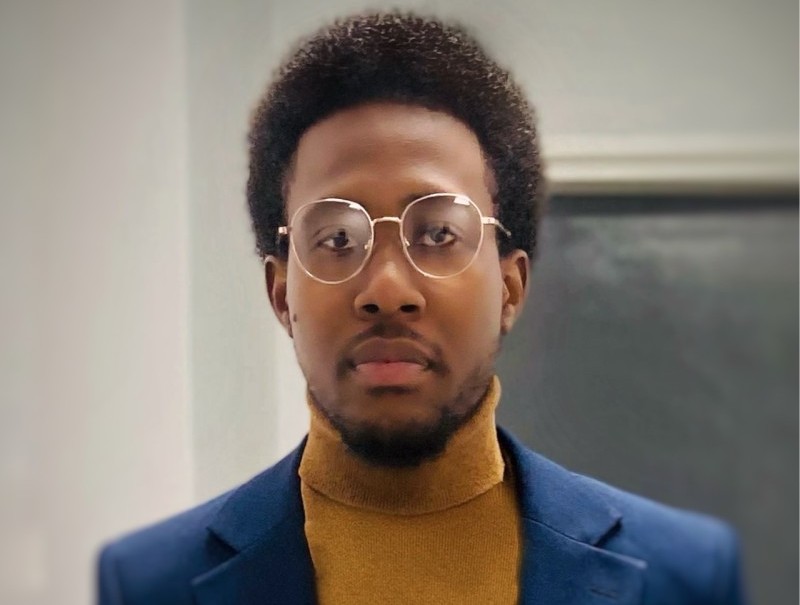
I’m Simeon Tuyoleni, a software engineer and founder of Asmbly, a startup focused on supporting the education system