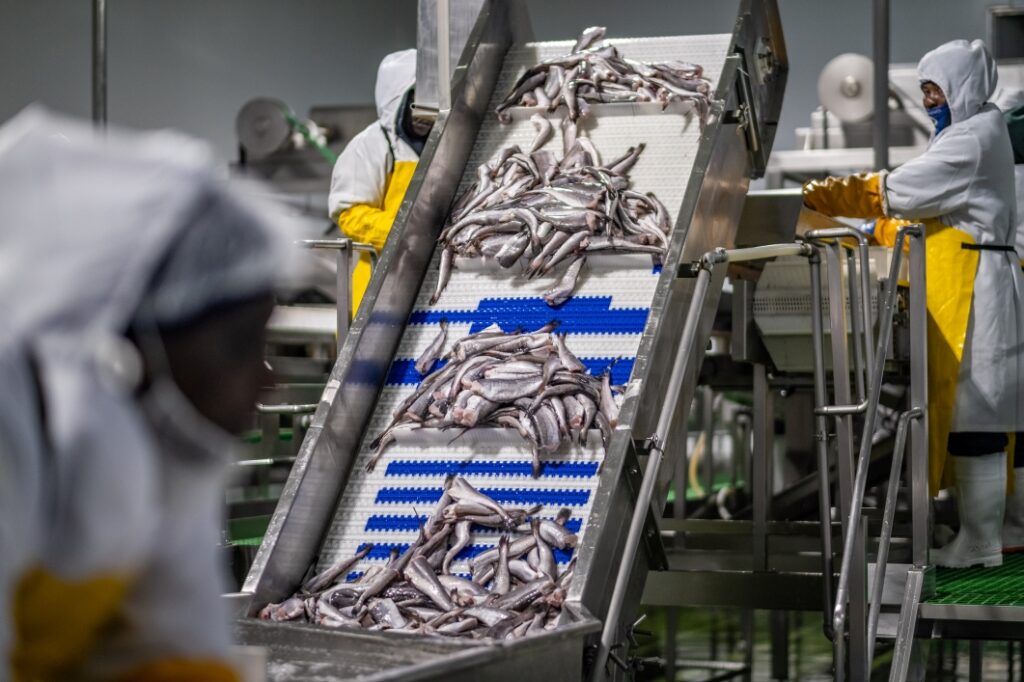
Namibia’s fishing sector production is projected to increase to about 414,000 metric tonnes by 2028, up from around 396,000 metric tonnes in 2023, according to the latest data from Report Linker.
The outlook points to a compound annual growth rate of 0.7% over the period, indicating modest expansion in overall output.
Data further shows that since 1995, Namibia’s fish supply has recorded an average annual growth rate of 3%, underscoring long-term expansion despite recent production pressures. Consumption growth, however, continues to lag supply, reinforcing the sector’s strong export orientation.
On the domestic front, fish consumption is expected to reach approximately 19,000 metric tonnes by 2028, compared with about 18,000 metric tonnes in 2023. This reflects a compound annual growth rate of 0.9%. Demand for fish in Namibia has grown at an average rate of 1.2% per year since 2019.
Globally, Namibia ranked 93rd in fish consumption in 2023, with total consumption of about 18,000 metric tonnes. Zimbabwe recorded higher consumption levels, while Japan, the Philippines and Thailand ranked second, third and fourth respectively.
Against this backdrop, the Ministry of Agriculture, Fisheries, Water and Land Reform has set the Total Allowable Catch for horse mackerel for the 2026 fishing season at 197,000 metric tonnes.
This represents a 5% reduction from the 2025 TAC of 208,000 metric tonnes, following Cabinet endorsement under the Marine Resources Act.
“The 5% decrease is a proactive and precautionary management decision, reflecting our commitment to responsive and science-based fisheries management to ensure the stock’s long-term health,” the ministry said.
The production outlook follows a period of improved fiscal returns from the sector. During the 2024/2025 financial year, the fisheries sector generated approximately N$300 million in revenue for the government through quota levies and licence fees in terms of Section 44 of the Marine Resources Act.
“In terms of fisheries administration, during the 2024/2025 financial year, the fisheries sector generated approximately N$300 million in revenue for the government. This marks a significant increase from the N$264 million collected in the 2023/2024 financial year,” the ministry noted last year.