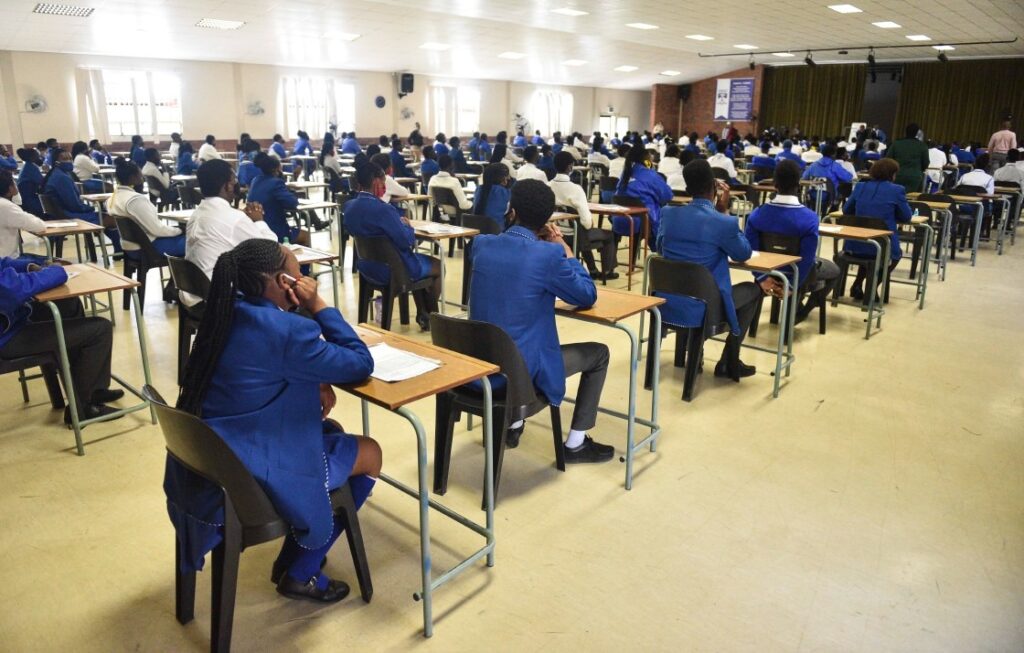
Namibia’s 2025 Namibia Senior Secondary Certificate Ordinary Level (NSSCO) results show that 15,593 full-time learners, or 40.3%, achieved at least 25 points across five subjects, up from 14,102 learners, or 34.6%, in 2024.
The learners meet the minimum admission requirements for most universities in Namibia, excluding the University of Namibia.
According to the Ministry of Education, Innovation, Youth, Sport, Arts and Culture, 38,692 full-time candidates sat the NSSCO examinations in 2025, down from 40,757 the previous year. In contrast, part-time registrations increased to 42,819 from 39,002 in 2024, pointing to rising demand for second-chance education opportunities.
At subject level, 89.7% of full-time entries and 91.2% of part-time entries were graded, reflecting a modest improvement in full-time learner performance.
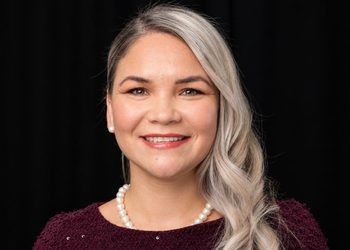
“Overall, the data indicate notable improvements across all three key performance indicators, pointing to stronger learner achievement and improved progression outcomes for the 2025 cohort,” said minister Sanet Steenkamp.
The ministry also reported an increase in the share of learners meeting the minimum grade C requirement in at least three subjects, which qualifies them for NSSCAS entry. This rose from 29.5% in 2024 to 36% in 2025, signalling stronger overall academic performance.
Steenkamp said the top 20 full-time NSSCO achievers came from schools across the country, including Rukonga Vision School in Kavango East, Oshigambo High School in Oshikoto and Onawa Senior Secondary School in Omusati. Regionally, Kavango East climbed from seventh place in 2024 to first in 2025, while Khomas improved from eighth to fourth.
“The changing rank order is a clear reminder that no region can afford complacency. Sustained effort and continuous improvement are required to maintain or advance performance,” she said.
At the NSSCAS Advanced Subsidiary level, 11,968 full-time candidates sat the examinations, an increase of 21.7% from 9,835 in 2024, while part-time candidates rose to 1,182 from 779. The ministry raised its benchmark to require learners to achieve grades in at least three subjects, a standard met by 70% of full-time candidates.
Subject-level grading at NSSCAS stood at 86.4% for full-time candidates and 76.3% for part-time candidates, indicating broadly stable performance.
The top 20 NSSCAS achievers were largely concentrated in Oshikoto and Omusati, particularly at Oshigambo High School and Onawa Senior Secondary School, while Kavango West led the national rankings at NSSCAS level.
“Overall, the volatility in rankings underlines the need for all regions to sustain focused academic support and avoid complacency in strengthening the quality of teaching and learning at NSSCAS level,” Steenkamp said.