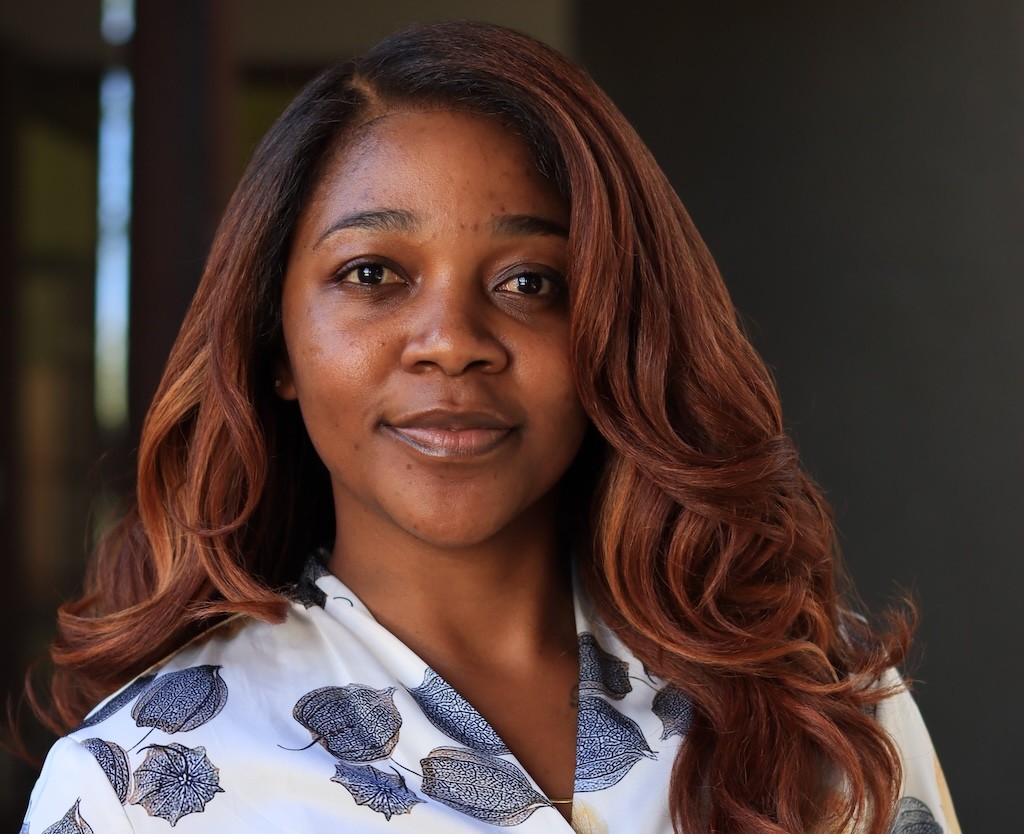
By Disney Andreas
Namibia faces urgent environmental challenges, from accelerating biodiversity loss to climate instability.
These issues are deeply personal here, as our landscapes, wildlife, and natural resources underpin livelihoods, food security, tourism, and national resilience.
Yet the science explaining ecosystem changes and necessary protections is often locked in technical jargon, global frameworks, and policy documents that feel remote from everyday life.
In a country defined by community-based conservation and shared natural resources, eIective communication is essential, and not optional. It bridges the gap between strategies on paper and those understood, trusted, and owned by the people they serve.
This piece uses Namibia’s development of its Third National Biodiversity Strategy and Action Plan (NBSAP III) as a case study to highlight communication’s central role in biodiversity policy.
Countries like Namibia do not develop biodiversity strategies in isolation, they align them with internationally agreed targets that shape how conservation, sustainable use, and public engagement are approached
A key example is the Aichi Biodiversity Targets, particularly Target 1 under Strategic Goal A, which aims to address underlying causes of biodiversity loss by mainstreaming it across government and society.
This target requires people to be aware of biodiversity’s value and the steps needed for its sustainable conservation and use. Success depends on translating these concepts into relatable, everyday terms.
Namibia’s approach resonates strongly with this target. Through the globally recognized Community-Based Natural Resource Management (CBNRM) programme, conservation is tied directly to livelihoods.
In communal areas, biodiversity is lived through wildlife management, conservancy governance, and ecosystem interactions, delivering tangible benefits like tourism income and local decision-making.
Progress has also come from environmental education initiatives led by government,NGOs, schools, and communities. Organizations like NaDEET (Namib Desert Environmental Education Trust), EduVentures, and Wakapinya excel at turning complex concepts into hands-on learning, youth empowerment, and community action.
Despite these advances, awareness remains uneven. Rural and conservation-adjacent communities are often reached, but again, less engaged.
Much underlying information on biodiversity finance, ecosystem services, global targets, and policies, remains highly technical, inaccessible beyond expert circles. Aichi Target 1 reminds us that awareness is not a byproduct but a prerequisite for success, demanding eIective communication.
As Namibia crafts NBSAP III, aligning with the Kunming-Montreal Global Biodiversity Framework, it involves diverse stakeholders such as government, environmental organizations, scientists, traditional and local authorities, communities, private sector, and civil society. Consultation is vital, but insuIicient alone.
Success hinges on clearly communicating the rationale, science, and actions to all Namibians from rural residents interacting daily with wildlife, to urban citizens feeling detached, policymakers navigating trade-oIs, and youth seeking relevance for their future.
Strategic communication transforms complex frameworks into accessible messages that resonate. By addressing questions like What does biodiversity loss mean for farmers? How does it impact water security? Why should youth care about distant wetlands? It connects abstract ideas to real lives.
It fosters understanding of conservation decisions, encouraging participation and local leadership. Ultimately, people support what they understand and protect what they value.
Namibia’s biodiversity is core to its identity and economic future. As communicators, we must shape public understanding and support for the next decade of conservation through telling resonant stories, sharing empowering knowledge, and presenting science to inspire collective action.
Strong communication ensures Namibians not only grasp biodiversity’s value but feel connected to the strategies protecting it.
* Disney Andreas is an Environmental Communicator | Namibia. Stay connected with me: disney.andreas@gmail.com || LinkedIn