By Fenni Nghikevali
Leadership growth is rarely accidental, neither is it a title you arrive at. It is a capability you grow into.
As your role expands, the nature of your leadership must evolve. What made you effective at one level will not sustain you at the next level.
Across organisations, leadership typically develops through four distinct stages: Supervisor, Manager, Executive, and Chief Executive. Each stage demands a different mindset, a different skill set and requires letting go of what previously made you successful.
According to leadership research, one of the biggest challenges organisations face today is developing leaders internally. Only about 11% of HR leaders say they have a strong bench of talent ready to step into leadership roles, and 55% of CEOs identify developing the next generation of leaders as their top challenge.
Leadership at work follows a predictable progression. Therefore, understanding these stages is essential, and this is not only for those aspiring to grow, but also for organisations seeking to develop strong leadership pipelines. Below is a basic framework that explains the four stages of leadership growth within an organization.
Beginning Stage – Supervisor:
Leadership lies in Technical Excellence
This is the entry point and foundation stage of leadership. As a supervisor, your superpower lies in technical skills. This is the first step in learning self-discipline, reliability, and how to lead people. At this stage, leadership is built on competence and technical excellence.
The role of Supervisors is primarily to:
- Be confident in your technical abilities
- Deliver results consistently
- Manage time, priorities and pressure
- Build trust through reliability
Middle Stage – Manager:
Leadership lies in Performance
At manager level, leadership shifts from technical oversight to enabling performance through competence and delivering output. Managers are no longer measured by how much they do themselves, but by what their teams deliver. This stage requires managing performance, processes and procedures.
The role of a Manager is primarily to:
- Develop people
- Manage performance
- Effectively delegate tasks
- Translate strategy into operational execution
Advanced Stage – Executive:
Leadership lies in Organisational Strategy
Executive leadership introduces complexity. An executive’s true superpower is emotional intelligence. At this level, leadership is less about execution and more about decision-making, strategy influence, and emotional intelligence. This is the stage where you learn to balance strategy, emotions and politics.
The role of an Executive is primarily to:
- Think systemically across the organization
- Balance strategy, people, politics, and performance
- Be confident in decision-making skills
- Stay composed under pressure
Success at this stage depends on judgement, strategy, and the ability to navigate competing priorities without losing credibility.
Impact Stage – Chief Executive Officer:
Leadership lies in Legacy
As a Chief Executive Officer, your superpower lies in impact, legacy and influence. This is the stage where you learn to balance long-term vision, purpose, risks and opportunities. At the highest level, leadership becomes enterprise-wide. Chief Executives are responsible for setting direction, shaping culture, and stewarding the organisation into the future.
The role of a Chief Executive Officer is primarily to:
- Articulate a compelling vision
- Lead transformation with intention
- Create a legacy that sustains the organisation
- Manage complexity and uncertainty
The role of a Chief Executive Officer is not about having all the answers, but about creating clarity, stability, and confidence for the organisation as a whole.
In conclusion, what is clear is this: leadership growth must be intentional and it follows an intentional journey. Understanding where you are in this journey, and what is required of you next, separates those who stagnate from those who rise.
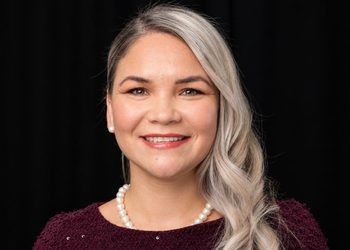
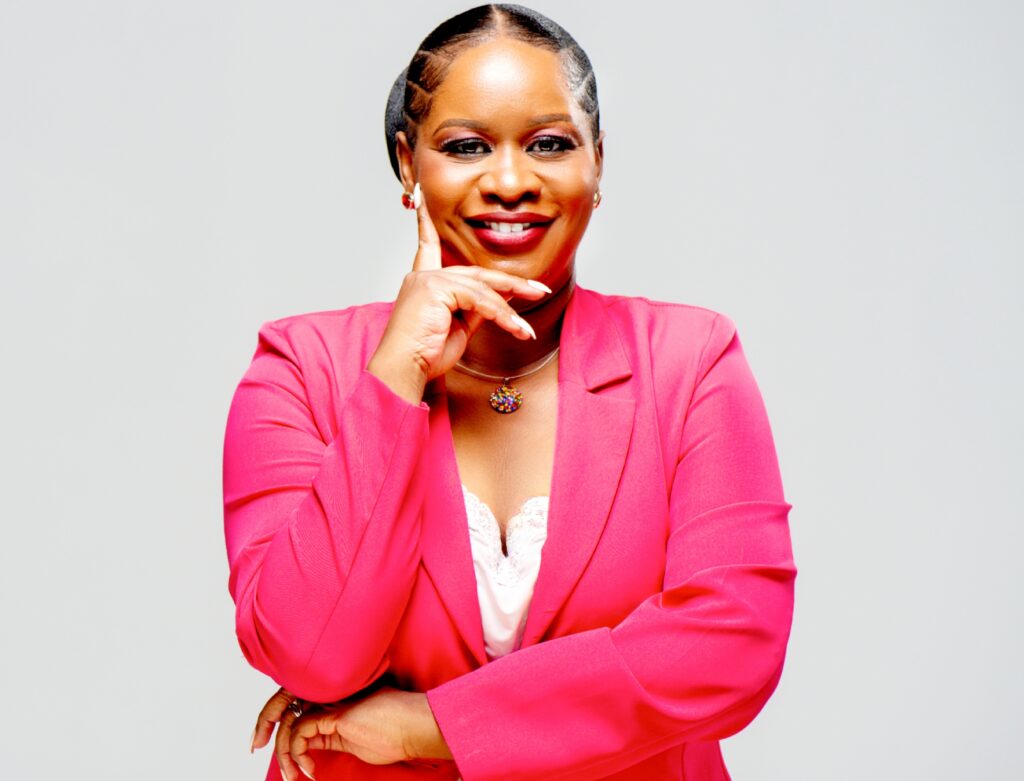
(Fenni Nghikevali is the owner of the FENomenal leadership brand in Namibia. This article is written in her personal capacity as a leadership and governance enthusiast, and is not representative of any institution).