By Hilda Basson Namundjebo
In 2025, Namibia entered a new chapter; politically; economically; and institutionally. With the election of our first female President; a streamlined Cabinet; and bold legislative interventions; the national mood has shifted.
For board members; this is not political theatre. It is a strategic signal; one which must inform the organisational strategic context. Understanding the ecosystem is no longer optional. It is fundamental.
We were all aware of the pending legislative amendments transferring responsibility for Namibia’s oil and gas sector to the Office of the President; and the oversight of public enterprises shifting to the Office of the Prime Minister. These, without a doubt signal a profound reconfiguration and alignment of power and accountability.
These changes are not mere cosmetics; they are definitive of the governance architecture of two of Namibia’s most strategic domains. Therefore, for board members and institutional leaders; this demands more than awareness; it demands presence.
It calls for recalibrated stakeholder engagement; renewed compliance frameworks; and a deeper understanding of executive intent. These shifts are more than political; they are structural. And they must inform how we lead.
As Baroness Dambisa Moyo notes; “Directors must be able to connect the dots between macroeconomic trends; political shifts; and regulatory changes.” Boards must move beyond financial metrics and engage with the external forces shaping long-term value; especially in developmental states like Namibia.
Political risk; economic volatility; and legal reform are not abstract, but they are strategic realities. In our current context; this means understanding how governance reforms; financial sector transformation; and resource diplomacy affect board-level decisions.
PESTLE is a strategic tool that helps boards interpret the external forces shaping their operating environment i.e. political shifts, economic signals, social undercurrents, technological disruption, legal reform, and environmental pressures. It is a framework to enhance understanding.
Political; A New Administration; A New Tone
Namibia’s new administration has signalled reform; efficiency; and a low tolerance for corruption; likening it to treason. The Cabinet has been significantly reduced; with new faces bringing fresh energy and accountability.
Without a structured lens like PESTLE; boards risk engaging the wrong stakeholder communities; making decisions on flawed premises; and missing the deeper shifts in power and accountability. With government now significantly realigned – both in structure and format – stakeholder mapping must be revisited. The old playbook no longer applies. Strategic engagement must reflect the new architecture. For boards; this means recalibrating stakeholder maps; understanding power dynamics; and aligning governance with national priorities. Political awareness is no longer peripheral; it is strategic.
Economic; Signals of Reform and resilience
Namibia’s economic rhythm is shifting. Interest rates have been lowered to support growth. Agriculture and uranium are rebounding. Diamonds continue to contract under global pressure while the introduction of the Financial Services Sector Charter marks a deliberate move toward inclusive finance and sector-wide transformation. These signals demand strategic interpretation; not just by economists but also by boards. Economic shifts must inform how we time decisions; allocate resources; and engage stakeholders. Thus, strategy must be responsive; not reactive.
Legal; Reform as strategy
Legislative interventions in 2025 have signalled a reformist agenda. Boards must track changes in ESG reporting; procurement law; and sectoral regulation. Legal literacy is about more just compliance. The likely enactment of the Financial Institutions and Markets Act (FIMA) represents a structural shift in Namibia’s financial governance as it introduces new compliance demands; tighter regulatory oversight; and clearer consumer protection mechanisms. FIMA will reshape how institutions manage risk; report performance; and engage with regulators. It must inform board conduct; internal controls; and long-term planning.
Social; Trust; Inclusion; and the Weight of Inequality
The election of a female President is more than symbolic – it is seismic. It reflects shifting expectations around leadership, gender equity, and representation. But symbolism must be translated into systems. In President Ndaitwah’s words, “We are too few to be poor.” That statement is not just aspirational – it’s a challenge. Namibia remains one of the most unequal societies in the world, and with youth unemployment hovering at 44%, the strain on our social fabric is undeniable. Boards must ask: Are our strategies inclusive? Are we building institutions that reflect the realities of our people, not just the ambitions of our plans? Social dynamics, from generational frustration to historical justice can shape brand perception, workforce morale, and institutional trust. Reading the social room means listening deeply, responding wisely, and leading with empathy.
Technological; Innovation with purpose
Technology continues to reshape industries. But in Namibia; digital transformation must be contextual. Boards must assess whether their tech investments are scalable; secure; and aligned with national development goals. Are we building digital trust? Are we empowering local innovation? Technological awareness must be paired with ethical foresight.
Environmental; Stewardship and sovereignty
Article 95(l) of the Namibian Constitution mandates the state to actively promote and maintain environmental welfare through sustainable practices.
“The State shall actively promote and maintain the welfare of the people by adopting policies aimed at the maintenance of ecosystems, essential ecological processes and biological diversity of Namibia and utilization of living natural resources on a sustainable basis for the benefit of all Namibians, both present and future.”.
Environmental stewardship is a governance issue and boards must assess how sustainability; resource diplomacy; and climate resilience affect their operations and partnerships.
Reading the Room; From Insight to Action
PESTLE requires a paradigm shift. It invites boards to read the room with discernment; humility; and strategic curiosity. It is about asking: What’s changing? Why does it matter? And how must we respond?
Board members who invest in PESTLE analysis build strategic agility. They anticipate rather than react. They lead with context; not just conviction. They understand that governance is not just about control; it is about clarity; courage; and connection.
In a year of transition; reading the room is not a luxury. It is responsible leadership.
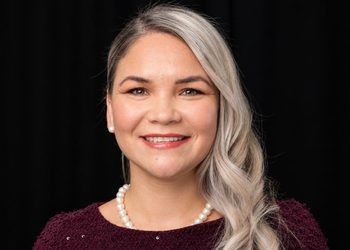
*Hilda is a business leader, public speaker and a seasoned broadcast journalist. Founder of the national brand and organisation Team Namibia, Hilda believes her purpose is to impact the world with kindness, one engagement at a time.