By Elise Hashikutuva
When people think of Namibia, they picture wide open landscapes, wildlife, and peaceful natural beauty. Yet, the next chapter of Namibia’s tourism growth may not come from the desert, but from the meeting room.
Across the world, the Meetings, Incentives, Conferences and Exhibitions (MICE) sector is changing the way countries build their tourism economies. MICE tourism is not just about meetings or formal gatherings. It is about creating spaces where business, learning, and culture come together to support growth and cooperation.
A Growing Tourism Sector
Unlike leisure visitors, MICE travellers are professionals who attend events and often spend much more during their stay. In Africa, the MICE industry was worth about USD 10.5 billion in 2022 and is expected to reach USD 65.6 billion by 2032, growing at around 17 percent every year.
In Namibia, progress has already begun. The country hosted 36 international conferences in 2022, which generated an estimated N$43 billion for the economy. This shows that business events are becoming an important part of Namibia’s tourism story.
Namibia’s Strengths
Namibia has many advantages that make it a good destination for meetings and events. The country is peaceful, politically stable, and safe. It has clean cities, reliable infrastructure, and a unique natural environment that combines professionalism with relaxation.
Dr Linda Pereira, a respected global expert in the MICE field, recently said:
“MICE is no longer just a concept; the meetings industry is an industry on its own. One international event alone can generate up to 237 jobs, highlighting the transformative power of this sector for destinations like Namibia.”
Her words reflect how much potential MICE tourism holds for job creation, professional development, and new investment opportunities.
Economic Benefits
Every conference or event creates opportunities for local businesses. Hotels, restaurants, car rentals, event planners, transport providers, and tour operators all benefit. MICE tourism also encourages knowledge sharing and long-term partnerships, as many delegates return later as investors or collaborators in other sectors such as energy, education, and agriculture.
What Namibia Can Do
To make the most of this opportunity, Namibia should focus on several key areas:
- Better facilities: Develop and expand conference centers, improve transport and internet connectivity.
- Skills training: Strengthen event management and hospitality skills to meet international standards.
- Promotion: Market Namibia as a welcoming and efficient place to hold international events.
- Sustainability: Encourage green and inclusive practices that reflect Namibia’s commitment to conservation and responsible tourism.
Namibia currently hosts medium-sized events of up to around 1,500 delegates. With investment and coordination, the country can soon attract much larger international gatherings.
Looking Ahead
Africa’s young population, growing economies, and digital innovation make it an exciting region for MICE tourism. Namibia’s challenge now is to make itself more visible as a capable and professional destination for meetings and business events. Strong partnerships between government, the private sector, and international networks will be key to achieving this.
Conclusion
Namibia’s future in tourism will not only be about wildlife and landscapes but also about ideas, connections, and innovation. MICE tourism is more than business travel, it is a platform for growth, opportunity, and national development.
With the right focus and investment, Namibia can become a destination where business and inspiration meet, a place where every event adds value to the country’s economy and reputation.
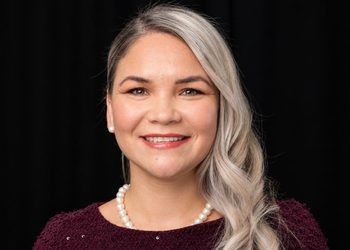
* Elise Hashikutuva is the Deputy Director of Tourism Development at Namibia’s Ministry of Environment, Forestry and Tourism (MEFT). With extensive experience in tourism planning and sector growth, she focuses on promoting Namibia as a competitive and sustainable destination. Elise is passionate about empowering young people to participate in tourism innovation and has been actively involved in national initiatives aimed at transforming the industry post-COVID-19. She holds an MBA in Strategic Management and Entrepreneurship from Maastricht University.