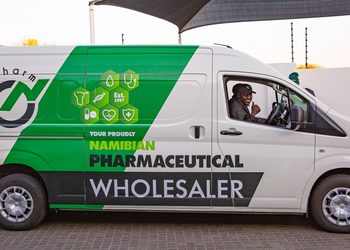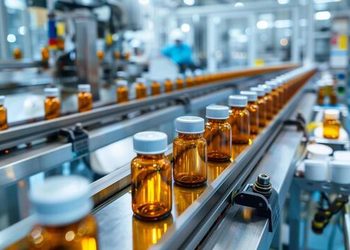
The Ministry of Health and Social Services (MoHSS) has turned to direct engagement with 41 international manufacturers and wholesalers in a bid to stabilise the supply of essential medicines.
Health Minister Esperance Luvindao said the emergency procurement measures are expected to restore stock levels for 75% of key medicines and save the government N$221 million compared to previous intermediary procurement costs.
“Despite this significant investment, we have faced severe challenges in recent years regarding the procurement of pharmaceuticals and clinical supplies, resulting in recurrent stock-outs in our health facilities,” she said.
The Minister explained that the challenges included the absence of long-term procurement contracts, global supply chain disruptions, changing disease patterns, and limited storage capacity. She added that inefficiencies in the procurement system, weak accountability and substandard warehousing had compounded the situation.
For the past two years, service levels at the Central Medical Stores have remained below 57%, well short of the Ministry’s 80% target. Nearly N$1.9 billion has been allocated for pharmaceutical procurement in the 2025/2026 financial year, yet shortfalls persist.
Luvindao said the Ministry is now shifting to a proactive approach that includes securing long-term supply contracts with manufacturers and consolidating warehousing under a single secure facility.
She added that modern tracking, dispensing and financial management systems will also be introduced to strengthen accountability and ensure a more reliable supply.
“We are now moving away from a reactive approach to a proactive one, where we anticipate demand and secure long-term contracts with manufacturers and contractors to ensure a steady supply of essential medicines,” Luvindao said.