Namibia’s Parliamentary Standing Committee on Natural Resources has called for stronger accountability across key sectors, warning that absenteeism among senior officials and a focus on profit over public interest are undermining oversight efforts.
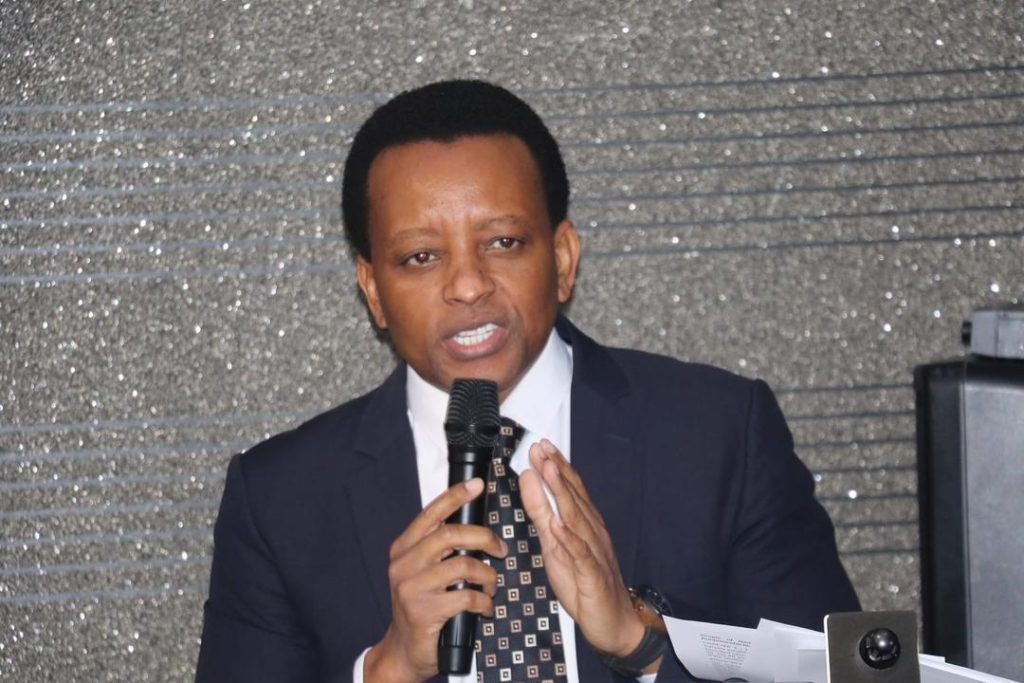
Chairperson of the Committee, Tobie Aupindi, said Parliament would no longer tolerate institutions that disregard formal invitations to appear before lawmakers, particularly in sectors such as mining, energy, agriculture, tourism and fisheries.
“When we invite accounting officers, EDs, directors and CEOs, we expect them to show up and not delegate these responsibilities to their distinguished junior officers,” said Aupindi.
Speaking at a recent Committee engagement, he criticised a growing trend where executives fail to engage directly with Parliament, instead sending lower-level staff who lack the authority to speak on institutional decisions.
“Those who absent themselves will be subpoenaed to appear before the Committee,” he warned.
Aupindi also took aim at corporate leadership in the extractive industries, calling for a shift towards ethical, long-term stewardship of Namibia’s natural resources.
“The Natural Resource Committee will demand a people-centred, ethical leadership within the industry players in the natural resources sector, a leadership where captains are more people-centred and not just profit mongers,” he said.
Established in April 2025 under Article 59 of the Constitution, the Committee is tasked with ensuring sustainable management of the country’s natural assets and holding both public and private sector stakeholders to account.
“Our responsibilities are to safeguard our natural resources and hold those responsible to account,” said Aupindi. “We must be unapologetic and intentional in safeguarding and maintaining strategic processes, biodiversity, natural resource beneficiation, and ownership qualities for the long-term benefit of the Namibian people.”
He emphasised that parliamentary oversight is not a symbolic exercise, but a constitutional function backed by legal authority.
“Our powers are provided for by the Constitution, and I say this without fear of contradiction,” he added.
The Committee will continue to focus on sectors it views as central to national development, including oil and gas, land, renewable energy, fisheries, tourism and green hydrogen. Aupindi said upcoming sessions will aim to ensure greater alignment with Namibia’s development goals.
“We will explore the potential for Namibia to become number one by using Namibia’s natural resources to promote economic growth through sustainable solutions,” he said.