By Hasekiel Johannes
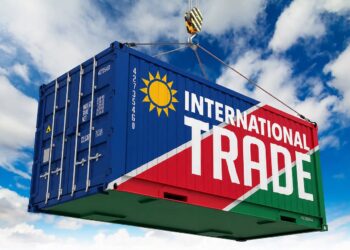
According to recent updates, Namibia’s trade deficit has improved as it stood at N$5.5 billion in November 2024 relative to N$7.7 billion reported in November 2023 and N$4 billion registered in November 2022.
While this is a step in the right direction for policymakers, technocrats, and all those concerned with Namibia’s economic growth, there is a critical need for a deliberate national export strategy so that this progress is not eclipsed.
In this regard, Namibia should implement a multi-pronged approach that will allow the country to take advantage of these positive developments. This should include sector specific development, diversification of the economy, and utilization of existing trade arrangements like SACU, SADC protocols, EU Economic Partnership Agreement (EPA), African Growth and Opportunity Act (AGOA), and trade with China.
Namibia should also learn from countries that have managed to change their trade profile in a significant way like Costa Rica, El Salvador, Australia, and Canada.
Lessons from Successful Export Models
Costa Rica: High-Value Exports and Innovation
Costa Rica’s success as a leading export-driven economy provides a blueprint for Namibia. The country has strategically focused on high-value exports, including technology, medical devices, and sustainable agriculture. Its government has invested heavily in research and development (R&D), fostering innovation through partnerships between universities and the private sector.
Additionally, Costa Rica has prioritized the development of export infrastructure, such as modern ports and efficient logistics networks, to reduce trade costs and improve competitiveness.
Namibia can emulate Costa Rica by identifying high-growth sectors such as renewable energy, tourism, agriculture, and mining. A targeted approach that emphasizes value addition—for example, producing processed agricultural goods rather than raw materials—can significantly enhance the country’s export earnings.
El Salvador: Leveraging Trade Agreements and Regional Integration
El Salvador has achieved remarkable export growth through active participation in trade agreements like the Dominican Republic-Central America Free Trade Agreement (CAFTA-DR), which provides preferential market access.
By focusing on specific export sectors such as textiles, coffee, and processed foods, El Salvador has created tailored policies and incentives to support these industries.
Namibia can adopt similar strategies by fully utilizing its trade agreements, such as the African Continental Free Trade Area (AfCFTA) and EPAs with the EU. Strengthening regional integration within SACU and SADC can also open up new markets for Namibian products.
Australia: Diversification and Global Market Engagement
Australia’s export model demonstrates the importance of diversification and global market engagement. By reducing dependency on a single market and exploring opportunities in both developed and emerging economies, Australia has created a resilient export base.
The country has also invested in national branding campaigns and international trade shows to promote its products.
Namibia should prioritize diversifying its export markets and engaging in global platforms to showcase its offerings.
Initiatives such as the NIPDB High Potential Pool participating in international expos and creating a “Made in Namibia” brand can enhance the visibility of Namibian products and attract international buyers.
Canada: Government-Private Sector Partnerships and Export Financing
Canada’s approach emphasizes collaboration between the government and the private sector, with Export Development Canada (EDC) playing a key role in providing export financing and insurance.
This support enables businesses to mitigate risks and access the capital needed to expand internationally. Canada also organizes regular trade missions and provides market intelligence to help exporters navigate foreign markets.
Namibia can replicate Canada’s model by fostering public-private partnerships and establishing export financing mechanisms.
The Namibia Investment Promotion and Development Board (NIPDB) could spearhead efforts to provide market intelligence, organize trade missions, and facilitate access to export funding for local businesses.
Chile: Diversification through ProChile
Chile’s export success is largely driven by ProChile, an agency operating under the Ministry of Foreign Affairs. ProChile focuses on diversifying exports and markets by utilizing a global network of trade offices. Its services include market research, organizing trade missions, and facilitating participation in international trade fairs.
These efforts have enabled Chile to position itself as a leading exporter of products such as wine, seafood, and copper, while also expanding into niche markets like organic foods and renewable energy technology.
Namibia can adopt Chile’s approach by creating a dedicated export promotion agency or strengthening existing structures within NIPDB. Establishing trade offices in key international markets and providing comprehensive services such as market research and trade mission support can help Namibian exporters connect with global buyers and expand their reach.
The Strategic Path Forward for Namibia: Key Priorities and Considerations
1. Sector Development
Namibia must focus on developing key sectors with high export potential. These include agriculture, renewable energy, mining, manufacturing, and tourism. For example, processing raw materials locally rather than exporting them in unrefined forms can significantly increase value addition and create more jobs.
2. Economic Diversification
Reducing reliance on a few primary commodities is crucial for Namibia’s economic resilience. By diversifying its export base, the country can minimize the risks associated with global market fluctuations. Sectors such as renewable energy (e.g., green hydrogen production), fisheries, and creative industries offer untapped opportunities for diversification.
3. Leveraging Trade Agreements
Namibia is well-positioned to benefit from various trade agreements, including AfCFTA, EPAs with the EU, AGOA, and SACU agreements. These agreements provide preferential access to regional and global markets. However, it is essential to raise awareness among local businesses about how to utilize these agreements effectively and ensure that non-tariff barriers are addressed.
4. Enhancing Export Infrastructure
Investment in infrastructure, such as ports, transport networks, and digital platforms, is critical for reducing trade costs and improving efficiency. The development of modern logistics facilities and export hubs can significantly enhance Namibia’s competitiveness in global markets.
As Namibia continues to show progress in narrowing its trade deficit, it is clear that now is the time to adopt a strategic, collaborative approach to unlock the country’s full export potential.
The Namibia Investment Promotion and Development Board (NIPDB), in alignment with the Ministry of Industrialization and Trade (MIT), the Ministry of Finance and Public Enterprises (MFPE), the Namibia Revenue Agency (NAMRA), and Micro Enterprises, all play crucial roles in shaping a sustainable export strategy.
Together, they can ensure that Namibia capitalizes on existing trade agreements, promotes economic diversification, and supports the development of key sectors like agriculture, renewable energy, tourism, mining, and manufacturing.
The National Export Promotion Strategy that is being drafted by MIT can build on successful lessons from global export-driven economies like Costa Rica, El Salvador, Australia, and Canada, refining programs such as export readiness initiatives, export financing, and insurance options.
These efforts will equip Namibian businesses with the tools they need to succeed on the international stage, helping to reduce risks and increase market access.
MIT’s work in drafting the National Export Strategy is an important move, and now is the time to move beyond just drafting by focusing on learning from countries that have successfully transformed their economies through exports.
Namibia can replicate the approaches that have worked for others, fostering an environment of innovation, collaboration, and market diversification. MIT’s role is pivotal in facilitating awareness of trade agreements, supporting public-private partnerships, and ensuring that export infrastructure keeps pace with global standards.
Moreover, NAMRA’s critical role in streamlining customs procedures, improving efficiency, and facilitating smooth trade flows will help reduce friction in the export process, while MSME’s can drive innovation at the grassroots level, enabling small and medium-sized businesses to thrive globally.
To make Namibia a competitive player in the global market, these institutions must work together, focusing on infrastructure, capacity building, and innovation.
By creating an environment that supports export growth, Namibia can turn its trade deficit into a surplus, boosting economic growth and prosperity for all. The time to act is now—together, we can position Namibia as a force in global trade and pave the way for sustainable economic development.
*Hasekiel Johannes has over 11 years of experience, he has established himself as a specialist in business innovation and MSME development, supporting entrepreneurs and innovators to turn their ideas into viable businesses. He currently serves as a Consultant for Market Access & Export Promotion at the Namibia Investment Promotion and Development Board (NIPDB). The views expressed are my own.