November marks the start of seasonal spending, and while this is an exciting time of year, it is equally critical for customers and businesses to be vigilant when shopping to avoid falling victim to fraudsters.
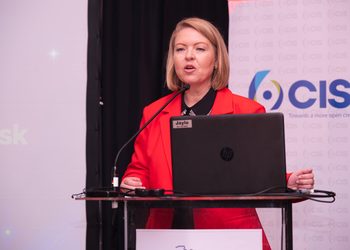
“Online shopping has become a popular way for consumers to maximise on shopping sprees such as Black Friday and Cyber Monday deals. However, this time of the year is always characterised by a rise in attempts to defraud unsuspecting consumers through malicious tricks and scams. Hence it is always important to be on high alert whether you’re shopping in-store or online” says Ingrid Katjiukua, FNB Namibia Forensic Manager.
Katjiukua says despite the dynamic nature of online shopping fraud, customers can be better prepared to prevent it if they pay careful attention to the following warning signs:
- Beware of tricks or gimmicks
Cybercriminals occasionally create bogus online stores that claim to sell hard-to-find items like beauty cosmetics or the latest gadgets. Some even place adverts on websites and social media to lure clients, with product photographs, descriptions, reviews, a shopping cart, and a payment process to look credible. If you purchase from one of these rogue stores, your money, payment information, and personal information will be exposed to criminals. The best way to avoid such scams is to shop from trusted providers and platforms. In addition, always verify any delivery notifications from retailers by calling them or the courier company directly. Never click on links sent in these notifications.
The bank has seen the common types of fraud that customers fall victim to, which are phishing, vishing and smishing fraud and involves fraudsters obtaining your banking login and or card details. Customers should avoid responding to texts, phone calls, or emails that require such confidential information. FNB will never ask you to process a transaction in order to reverse fraud. In addition, FNB will never ask you for your OTP or confidential information such as your banking password.
- Never disclose sensitive information such as passwords and PINs to anyone
Fraudsters often impersonate bankers, fraud investigators, and customer service consultants to defraud consumers. Their goal is to gain access to sensitive information, such as a One-Time PIN (OTP) required to authenticate transactions or credentials like a username or password to access your bank accounts. The golden rule is to keep in mind that no reputable institution will ask you to disclose such information to their representatives. It is critical to never share such sensitive information with a third party.
- Use safer and more convenient ways to pay
To limit the risk of fraud when shopping online, choose the safest payment methods. Avoid using Instant EFT payments that require you to expose sensitive information to third-party providers to complete a payment.
- Immediately report suspected fraud
When transacting, consumers should always exercise caution to protect themselves from possible fraud. This can help prevent financial losses and the compromise of one’s financial personal information. Precautionary measures include paying attention to financial institutions’ safety guidelines and taking personal responsibility to ensure that safety is always a priority. When you suspect that you have been a victim of fraud, you must notify your financial institution immediately. Our customers can use the FNB App to temporarily block, cancel, or replace their cards if they suspect fraud.
“Protecting yourself is not simply limited to your bank card, but also includes being observant and practicing safe banking behaviour all round, online, on ATMS, over the phone. It is important to remember that fraudsters are always looking for loopholes, so customers must be multiple steps ahead with adequate safety measures,” says Katjiukua.
November marks the start of seasonal spending, and while this is an exciting time of year, it is equally critical for customers and businesses to be vigilant when shopping to avoid falling victim to fraudsters.
“Online shopping has become a popular way for consumers to maximise on shopping sprees such as Black Friday and Cyber Monday deals. However, this time of the year is always characterised by a rise in attempts to defraud unsuspecting consumers through malicious tricks and scams. Hence it is always important to be on high alert whether you’re shopping in-store or online” says Ingrid Katjiukua, FNB Namibia Forensic Manager.
Katjiukua says despite the dynamic nature of online shopping fraud, customers can be better prepared to prevent it if they pay careful attention to the following warning signs:
- Beware of tricks or gimmicks
Cybercriminals occasionally create bogus online stores that claim to sell hard-to-find items like beauty cosmetics or the latest gadgets. Some even place adverts on websites and social media to lure clients, with product photographs, descriptions, reviews, a shopping cart, and a payment process to look credible. If you purchase from one of these rogue stores, your money, payment information, and personal information will be exposed to criminals. The best way to avoid such scams is to shop from trusted providers and platforms. In addition, always verify any delivery notifications from retailers by calling them or the courier company directly. Never click on links sent in these notifications.
The bank has seen the common types of fraud that customers fall victim to, which are phishing, vishing and smishing fraud and involves fraudsters obtaining your banking login and or card details. Customers should avoid responding to texts, phone calls, or emails that require such confidential information. FNB will never ask you to process a transaction in order to reverse fraud. In addition, FNB will never ask you for your OTP or confidential information such as your banking password.
- Never disclose sensitive information such as passwords and PINs to anyone
Fraudsters often impersonate bankers, fraud investigators, and customer service consultants to defraud consumers. Their goal is to gain access to sensitive information, such as a One-Time PIN (OTP) required to authenticate transactions or credentials like a username or password to access your bank accounts. The golden rule is to keep in mind that no reputable institution will ask you to disclose such information to their representatives. It is critical to never share such sensitive information with a third party.
- Use safer and more convenient ways to pay
To limit the risk of fraud when shopping online, choose the safest payment methods. Avoid using Instant EFT payments that require you to expose sensitive information to third-party providers to complete a payment.
- Immediately report suspected fraud
When transacting, consumers should always exercise caution to protect themselves from possible fraud. This can help prevent financial losses and the compromise of one’s financial personal information. Precautionary measures include paying attention to financial institutions’ safety guidelines and taking personal responsibility to ensure that safety is always a priority. When you suspect that you have been a victim of fraud, you must notify your financial institution immediately. Our customers can use the FNB App to temporarily block, cancel, or replace their cards if they suspect fraud.
“Protecting yourself is not simply limited to your bank card, but also includes being observant and practicing safe banking behaviour all round, online, on ATMS, over the phone. It is important to remember that fraudsters are always looking for loopholes, so customers must be multiple steps ahead with adequate safety measures,” says Katjiukua.