Namibia faces rising food prices in 2027 as persistent El Niño conditions and the recent foot-and-mouth disease (FMD) outbreak threaten agricultural production and livestock supply, potentially adding to inflationary pressures already driven by high fuel and transport costs.
Standard Bank Namibia’s Group Economist, Helena Mboti, said the combination of adverse weather conditions and livestock disease could reverse the recent moderation in food inflation, placing additional pressure on household spending and the broader economy.
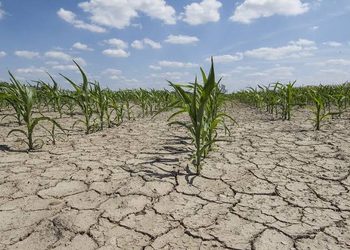
In her September 2026 Consumer Price Index (CPI) review, Mboti warned that El Niño conditions were expected to persist into early 2027, increasing the risk of reduced agricultural output and higher food prices across the region.
She said the World Meteorological Organization had assigned a near-certain probability to the persistence of El Niño conditions into early 2027, with further strengthening expected before the end of 2026.
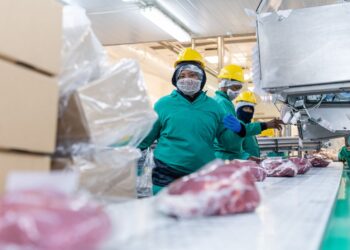
Mboti said the anticipated weather conditions could negatively affect crop production, while the recent FMD outbreak presented additional risks to meat prices.
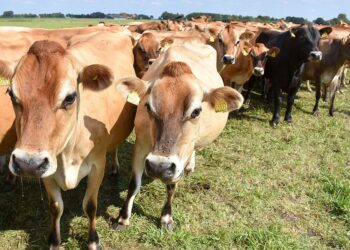
The outbreak, confirmed on 23 September and affecting approximately 29,000 animals according to the report, is expected to place further upward pressure on food prices.
Food and non-alcoholic beverages inflation remained at 4.0% in September, unchanged from August and below the 4.9% recorded during the corresponding period in 2025.
However, Mboti said the relatively stable food inflation rate masked emerging price pressures in several categories, particularly vegetables, milk, cheese and eggs.
The moderation in food inflation has largely been supported by slower price increases in fish and meat products, but Standard Bank expects the trend to come under pressure as adverse weather conditions and livestock disease affect agricultural supply.
Mboti said food inflation risks were now shifting towards renewed price increases, with the effects potentially becoming more pronounced in the coming quarters.
She further warned that prolonged drought conditions could affect electricity generation at the Ruacana hydropower station, increasing Namibia’s reliance on imported electricity and potentially pushing electricity tariffs higher.
The anticipated food price pressures come as Namibia’s headline inflation accelerated to 5.4% in September from 5.0% in August and 3.5% in September last year.
Transport remained the largest contributor to inflation, with annual price increases in the sector reaching 14.9% in September, compared with 13.2% in August and 1.3% a year earlier.
The increase was largely driven by a 30.4% year-on-year rise in petrol and diesel prices, which pushed inflation in the operation of personal transport equipment to 20.1%.
Mboti said higher fuel and freight costs were expected to generate further inflationary pressures across supply chains, contributing to broader increases in the prices of goods.
Goods inflation accelerated to 5.8% in September, while services inflation remained relatively unchanged at 4.7%.
Global oil prices traded above US$100 per barrel for approximately 24 trading days in September, with Standard Bank expecting prices to remain elevated and average above US$90 per barrel.
The bank forecasts Namibia’s headline inflation to average above 4.35% in 2026 before increasing to approximately 5.2% in 2027, supported by persistently high oil prices and rising food inflation.
Mboti said food-related inflationary pressures could begin easing during the second quarter of 2027, provided climatic conditions improve.
Transport inflation is also expected to moderate during the second half of 2027 as the impact of the sharp price increases recorded in 2026 begins to ease, provided global oil prices stabilise.
However, she warned that the combined risks from El Niño, FMD, electricity supply constraints and elevated global oil prices meant Namibia’s inflation outlook remained vulnerable to further increases.