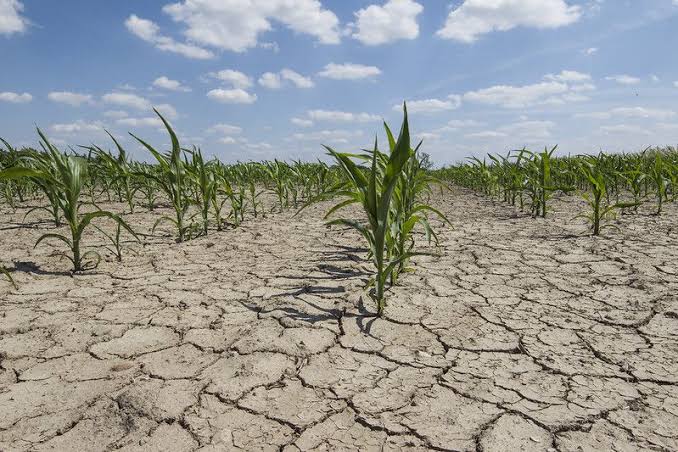
Namibia faces an increased risk of drought during the 2026/27 rainfall season as strengthening El Niño conditions are expected to bring below-normal rainfall and above-average temperatures, threatening agriculture, water supplies and food security.
United Nations Resident Coordinator Hopolang Phororo said the seasonal outlook could significantly affect agricultural production, water availability, public health and livelihoods if preparedness measures are not implemented early.
According to the Namibia Meteorological Service, the country is likely to experience a hotter and drier-than-normal season as El Niño conditions intensify.
“The outlook points to conditions that could significantly affect agriculture, water resources, food security, public health and livelihoods if adequate preparedness measures are not put in place,” Phororo said.
She was speaking at the International Day for Disaster Risk Reduction commemoration in Otjomuise, Windhoek, on Tuesday.
The forecast raises renewed concerns over Namibia’s vulnerability to drought, particularly in rural areas where agricultural production and livelihoods are heavily exposed to rainfall conditions.
Below-normal rainfall could affect crop and livestock production, grazing conditions and water availability, while higher temperatures could add further pressure on water resources.
The warning follows the 2025/26 rainfall season, when different parts of the country experienced both flooding and dry spells.
Flooding displaced households, damaged infrastructure and disrupted livelihoods in some regions, while dry spells elsewhere negatively affected agricultural production and water availability.
Phororo said the outlook required authorities and communities to act on available climate information before the expected conditions translate into a wider humanitarian and economic problem.
“One of the most important messages from the Secretary-General this year is that effective early warning systems must reach people in time,” she said.
“Forecasts, climate information and risk analysis only save lives when they are translated into action by governments, institutions, communities and households.”
The warning comes after the UN system provided drought-response assistance to more than 167,000 people in Namibia over the past year.
The UN also mobilised more than US$28 million for climate and environmental priorities and supported over 3,800 community members in strengthening climate-resilient livelihoods.
Namibia has identified water security and climate-smart agriculture among its key adaptation priorities under its Third Nationally Determined Contribution, launched in September.
The plan also prioritises ecosystem protection, resilient infrastructure, renewable energy and early warning systems.
The government’s Sixth National Development Plan similarly identifies disaster recovery and resilience-building as critical to sustainable development, while the City of Windhoek has adopted a Disaster Risk Reduction Strategy for 2026 to 2030.
Phororo called for stronger coordination between government, the private sector, development partners and communities to ensure the seasonal forecast triggers early action, particularly for vulnerable households.
She said preparedness would be critical to protecting livelihoods and reducing the economic and human costs if the forecast dry conditions materialise