Tuesday, September 1, 2026
Subscribe
The Brief | Namibia's Leading Business & Financial News
  • Home
  • Companies
    • Finance
    • Agriculture
    • Technology
    • Property
    • Trade
    • Tourism
  • Business & Economy
  • E-PAPERreader
  • Mining & Energy
  • Opinions
    • Analysis
    • Columnists
  • Africa
No Result
View All Result
The Brief | Namibia's Leading Business & Financial News
  • Home
  • Companies
    • Finance
    • Agriculture
    • Technology
    • Property
    • Trade
    • Tourism
  • Business & Economy
  • E-PAPERreader
  • Mining & Energy
  • Opinions
    • Analysis
    • Columnists
  • Africa
No Result
View All Result
The Brief | Namibia's Leading Business & Financial News
Subscribe
No Result
View All Result
Home Companies Agriculture

Namibia’s 2026 cereal output forecast at 155,000 tonnes

by reporter
September 1, 2026
in Agriculture
6
A A

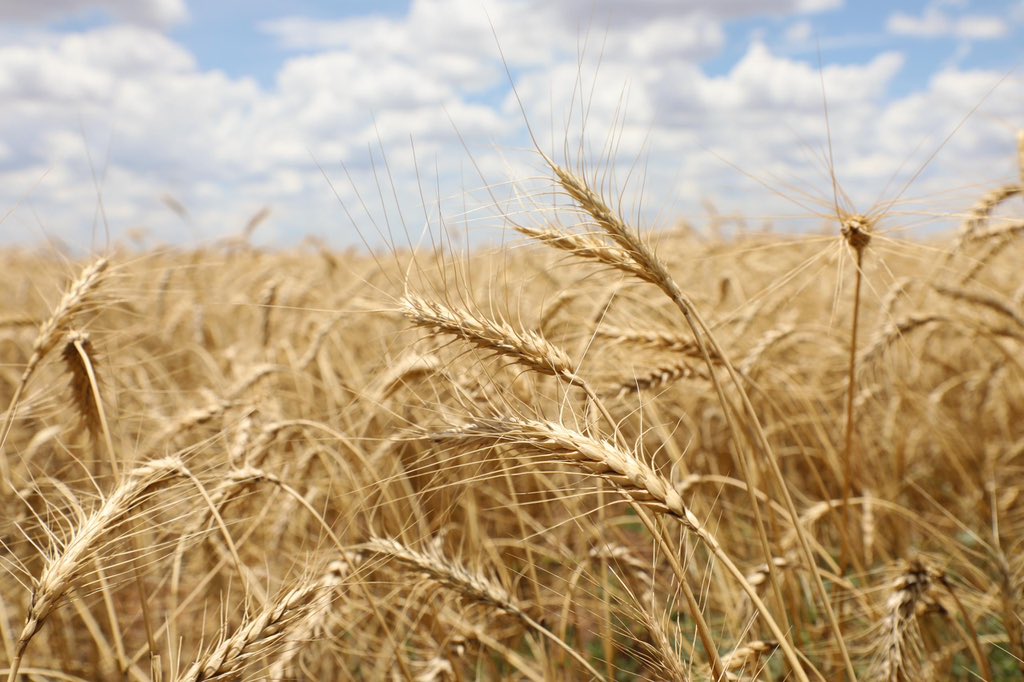
Namibia’s cereal production is forecast to reach 155,000 tonnes in 2026, more than double last year’s output and nearly 40% above the previous five-year average.

According to the Food and Agriculture Organization’s Global Information and Early Warning System (FAO GIEWS), the recovery is largely attributed to favourable weather conditions, with the main summer crops harvested by July and the winter wheat crop expected to be harvested from October.

FAO said the increase is being driven by the commercial farming sector, where maize yields are estimated to have nearly doubled compared with the previous five-year average.

“The commercial farming sector is driving the increase, with maize yields nearly doubling compared with the previous five-year average. The sector, which typically accounts for about two-thirds of national cereal output, is expected to account for nearly 80% of production in 2026,” the report said.

The rebound is expected to reduce Namibia’s cereal import requirements during the 2026/27 marketing year, which runs from May to April.

Namibia remains a net cereal importer, with imports accounting for about two-thirds of national consumption requirements on average.

Maize and wheat make up most cereal imports, with maize sourced largely from South Africa and wheat predominantly imported from the European Union.

“Reflecting the upturn in 2026 domestic production, cereal import requirements for the 2026/27 marketing year are estimated to be below both the five-year average and the previous year’s level,” FAO said.

Import conditions for maize are also expected to remain favourable following South Africa’s bumper 2026 harvest, which has increased exportable supplies and placed downward pressure on prices.

Despite the national production recovery, cereal output in Namibia’s communal farming sector remained below average, although production increased by just over 20% compared with 2025.

FAO said production of maize, millet and sorghum in communal areas remained below average, with maize recording the largest shortfall.

The Zambezi Region was the only part of the country to record a decline in cereal production in 2026.

“The Zambezi Region has been the only area of the country where production fell in 2026, driven by outbreaks of migratory red locust and heavy rainfall between February and April, which caused flooding and crop damage that particularly affected the maize crop,” the report said.

The improved agricultural conditions have coincided with easing food inflation, which stood at an annual rate of 3.7% in July 2026, down from 6.1% in July 2025.

FAO said stronger domestic cereal production and declining maize prices in South Africa could provide further relief to cereal prices during the year, although rising fuel prices could limit the extent of the decline in food inflation.

Food security conditions have also improved, with about 408,000 people, equivalent to 13% of the analysed population, projected to face acute food insecurity at IPC Phase 3 or above between April and June 2026.

Livestock conditions have improved markedly across much of the country, with good to very good conditions reported in the northeast, central, eastern and southern regions.

FAO said improved grazing and water availability have supported livestock health, reproduction and productivity, with household incomes expected to benefit from increased sales of livestock and livestock products.

However, conditions remain uneven, particularly in the Zambezi Region, where flooding and pest infestations caused extensive crop losses and damage and are expected to worsen food insecurity.

“Favourable weather conditions supported an upturn in the 2026 cereal harvest, along with improved grazing and water availability that strengthened livestock health, boosted reproduction rates and improved overall productivity,” FAO said.


author avatar
reporter
See Full Bio
Previous Post

Bank Windhoek cancer project raises N$42.4m since inception

Next Post

Windhoek residents to pay more for electricity as CoW hikes tariffs by 3.6%

Must Read

Professional portrait of a smiling man in a dark suit and blue tie against a white background with glasses on.
Agriculture

LLPBN officially appoints Vehaka Tijimune as CEO

August 31, 2026
Namibia slaughtered over 14 million chickens by end of September
Agriculture

Namibia’s poultry output forecast to rise 13.8% to 3.81 million kg

August 28, 2026
Namibia’s beef exports plunge nearly 50% in Q2
Agriculture

Govt targets Q1 2027 reopening of Oshakati abattoir

August 25, 2026
Standard Bank Namibia backs blueberry project with N$40 million
Agriculture

El Niño is not the real risk. Unpreparedness is

August 21, 2026
Namibia’s sheep marketing surges as exports to South Africa drive livestock trade
Agriculture

Namibia markets 68,233 sheep in July, live exports account for 87%

August 21, 2026
Exterior view of Agribank Namibia storefront with glass doors and blue logo on white wall under a grid-pattern overhang
Agriculture

Northern farmers secure Agribank financing for 13 agricultural projects

August 21, 2026
Load More

Related News

NSFAF pays N$17.5 billion to students in 10 years

NSFAF pays N$17.5 billion to students in 10 years

June 5, 2024
Namibia’s trade deficit widens despite N$15.9bn trade growth

Namibia’s trade deficit widens despite N$15.9bn trade growth

July 5, 2022
Oil, green hydrogen benefits only long term – World Bank

Oil, green hydrogen benefits only long term – World Bank

November 7, 2023

Browse by Category

  • Africa
  • Agriculture
  • Analysis
  • Business & Economy
  • Columnists
  • Companies
  • e-edition
  • Finance
  • Finance
  • Fisheries
  • Green Hydrogen
  • Health
  • Investing
  • Latest
  • Market
  • Mining & Energy
  • Namibia
  • namibia
  • News
  • Opinions
  • Property
  • Retail
  • Technology
  • Tourism
  • Trade
The Brief | Namibia's Leading Business & Financial News

The Brief is Namibia's leading daily business, finance and economic news publication.

CATEGORIES

  • Business & Economy
  • Companies
    • Agriculture
    • Finance
    • Fisheries
    • Health
    • Property
    • Retail
    • Technology
    • Tourism
    • Trade
  • e-edition
  • Finance
  • Green Hydrogen
  • Investing
  • Latest
  • Market
  • Mining & Energy
  • namibia
  • News
    • Africa
    • Namibia
  • Opinions
    • Analysis
    • Columnists

CONTACT US

Cell: +264814612969

Email: newsdesk@thebrief.com.na

© 2026 The Brief | All Rights Reserved. Namibian Business News, Current Affairs, Analysis and Commentary

Welcome Back!

Login to your account below

Forgotten Password?

Retrieve your password

Please enter your username or email address to reset your password.

Log In
No Result
View All Result
  • Home
  • Companies
  • Mining & Energy
  • Business & Economy
  • Opinions
    • Analysis
    • Columnists
  • Africa

© 2026 The Brief | All Rights Reserved. Namibian Business News, Current Affairs, Analysis and Commentary

This website uses cookies. By continuing to use this website you are giving consent to cookies being used. Visit our Privacy and Cookie Policy.