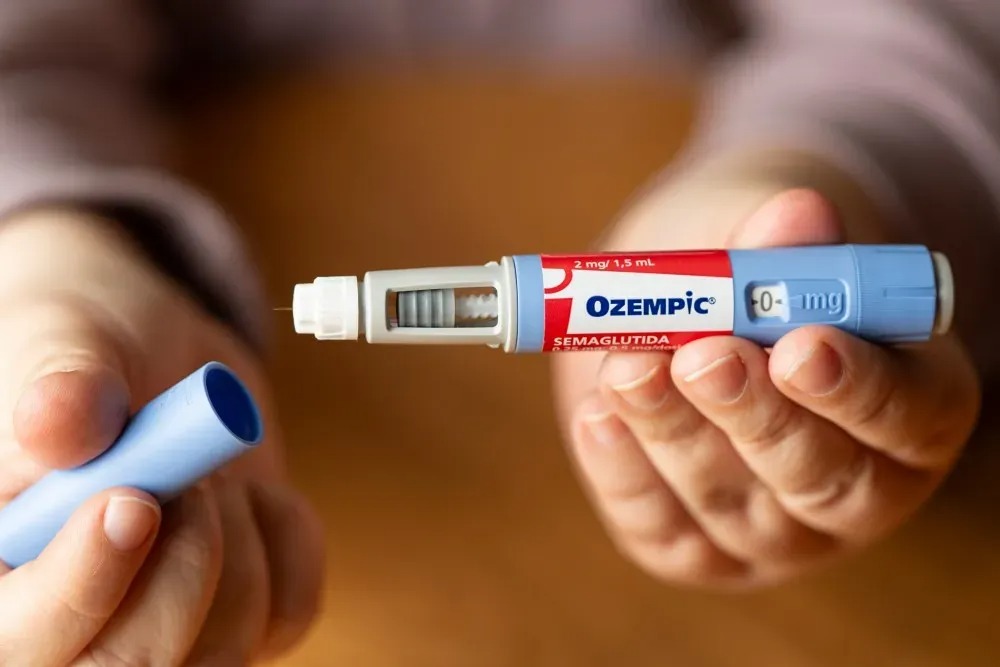
The Namibia Medicines Regulatory Council (NMRC) has ordered healthcare professionals and establishments to immediately stop procuring, prescribing, dispensing, advertising or commercially supplying unregistered weight-loss medicines, including Ozempic and peptide-containing products, warning that offenders face seizures and prosecution.
In a public notice issued on 13 August 2026, the regulator raised alarm over increasing imports and sales of unauthorised weight-loss and diabetes medicines through social media, online vendors, informal markets and some healthcare establishments.
The NMRC identified products including Ozempic, Wegovy, Mounjaro, Saxenda and Rybelsus among medicines being marketed for diabetes management and weight loss.
However, the directive applies specifically to products that are not registered with the NMRC or otherwise lawfully authorised in Namibia, rather than imposing a blanket ban on the named medicines.
“Medicines that are not registered with the Namibia Medicines Regulatory Council (NMRC), or otherwise lawfully authorised under the Medicines and Related Substances Control Act, may not be imported, manufactured, distributed, sold, advertised, or supplied in Namibia,” the regulator said.
The NMRC said registration allows it to assess the quality, safety and efficacy of medicines before they enter the Namibian market.
It warned that products entering the country outside the regulatory system could contain incorrect ingredients or dosages, be contaminated or counterfeit, or have been manufactured without adequate quality controls.
Healthcare professionals and establishments have now been instructed to verify the registration status of medicines before procuring, prescribing, recommending, dispensing or advertising them.
They have also been directed to remove promotional material for unregistered products from websites and social media platforms and advise patients using such products about registered alternatives where appropriate.
The regulator raised particular concerns about peptide-containing products being marketed for weight loss.
“Some GLP-1 and peptide-containing products promoted for weight loss may also still be undergoing clinical investigation, may not yet be authorised for the indications for which they are being marketed, or may be intended solely for research purposes,” the NMRC said.
It warned that such products cannot legally be supplied or promoted outside Namibia’s regulatory framework for medicines and clinical trials.
The NMRC said there will be no grace period for compliance, meaning the directive takes immediate effect.
Enforcement action could include inspections, seizure of unregistered products and prosecution, with penalties imposed under the Medicines and Related Substances Control Act.
The regulator also warned consumers against buying weight-loss medicines advertised on social media, through informal markets or from unlicensed online sellers.
Consumers have been urged to buy medicines only from licensed pharmacies and authorised healthcare facilities, consult registered healthcare professionals before using weight-loss medicines and report suspected counterfeit or unregistered products to the NMRC Inspectorate.