The Oshakati Town Council says its housing waiting list has reached approximately 17,000 applicants, prompting plans to accelerate land servicing and housing development to meet growing demand for urban accommodation.
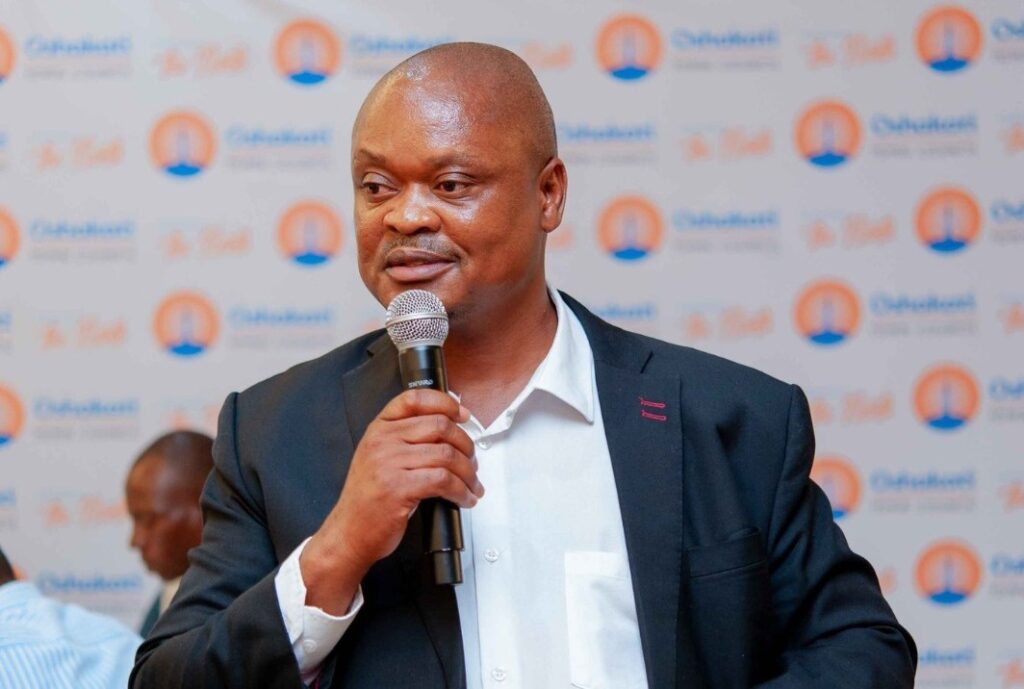
Chief Executive Officer Timotheus Namwandi said the municipality has made housing and serviced land delivery a key priority in its 2026/27 financial year plans, with around 400 residential plots earmarked for servicing in Oshakati Extension One.
“We have made a commitment really to address the issue of serviced land. That is very, very critical. I should put it on record to say our waiting list stands at about 17,000 people who want houses in Oshakati. So council made a deliberate decision to service property in Extension One, which has about 400 residential properties,” Namwandi said.
The housing backlog highlights the increasing pressure on local authorities to provide serviced land and affordable housing as urbanisation continues to drive population growth in northern Namibia.
To help address the demand, the council is engaging private sector developers through public-private partnerships aimed at accelerating housing construction and expanding access to residential property.
According to the municipality, more than 6,000 residential plots have been serviced over the past decade, while over 5,800 houses have been constructed through initiatives involving government institutions, private developers, community housing schemes and individual investors.
Namwandi said Oshakati has also completed the formalisation of all informal settlement areas within the town, including Upindi, Kanjige, Onashila, Pohamba and Onawa.
Government allocated approximately N$149 million during the 2025/26 financial year to support formalisation projects in Oshakati, while the municipality has budgeted a further N$18 million in 2026/27 for land servicing, alignment works and infrastructure development.
Some formalised areas have already received water and sewer infrastructure, with roads, electrification and stormwater systems planned for future phases.
The municipality is also working with the Namibia Housing Enterprise, the Shack Dwellers Federation of Namibia and the Build Together Programme to support low-income residents in accessing permanent housing.
“We would want to still give loans to beneficiaries of the Build Together Programme so that they can build their houses and have decent shelter. So that’s what we are looking at in terms of our budget for the upcoming financial year,” Namwandi said.
In addition, the council is pursuing housing projects in Ompumbu through public-private partnerships under which private developers will service land and construct houses.
Namwandi acknowledged that housing delivery remains constrained by funding and infrastructure costs but said the municipality remains committed to expanding access to serviced land.
He also called on residents to settle outstanding municipal accounts, revealing that Oshakati’s debtor book currently stands at approximately N$67 million.
“If we can get that N$67 million, we can do a lot. We can do a lot in terms of housing provision and in terms of providing basic urban services,” he said.