The Ministry of Justice and Labour Relations has allocated N$36.4 million towards job placement, career guidance and employment coordination as part of its 2026/27 budget.
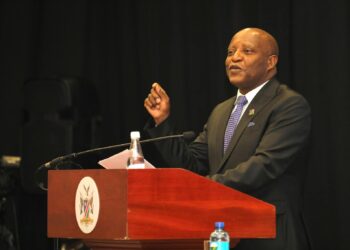
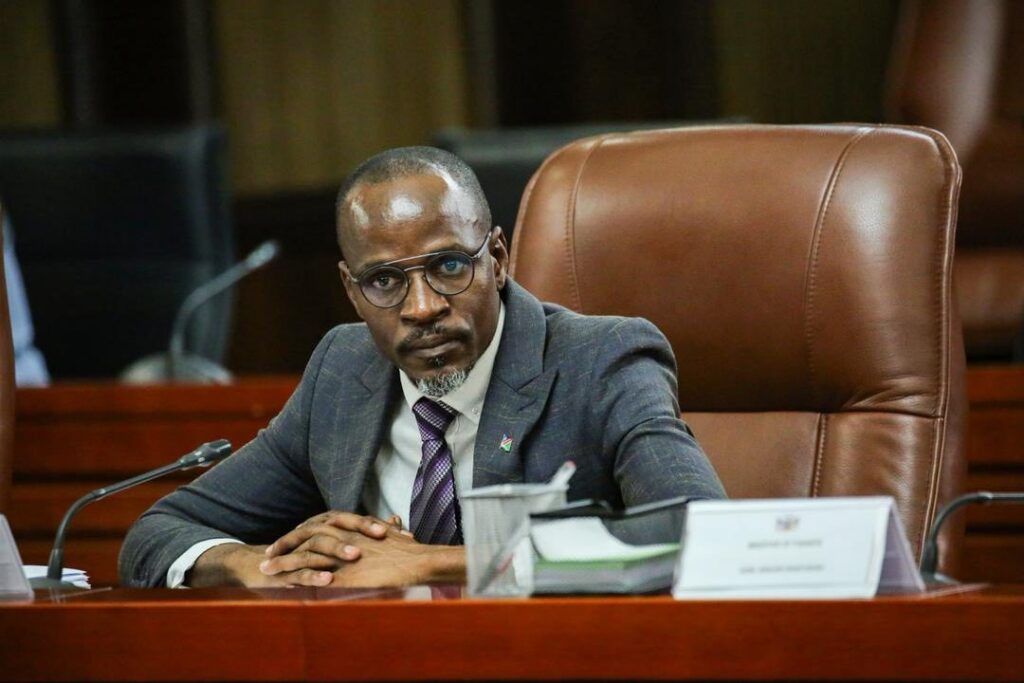
Presenting the budget in Parliament, Minister of Justice and Labour Relations Fillemon Wise tabled a total allocation of N$231 million for the financial year, to be distributed across four key programmes.
“An amount of Thirty-Six Million, Three Hundred and Seventy-Six Thousand Namibia Dollars (N$36,376,000) is allocated towards this programme to facilitate employment coordination, productivity, research, career guidance, jobseeker registration and placement, vocational counselling and career guidance,” he said.
The largest share of the budget, N$106.4 million, has been allocated to the promotion of harmonious labour relations, including dispute resolution, labour inspections and enforcement of employment equity laws.
A further N$11.2 million has been set aside for International Relations and Advice to support engagement with regional and global labour bodies such as SADC, the African Union and the International Labour Organisation.
“An amount of Eleven Million, One Hundred and Seventy-One Thousand Namibia Dollars (N$11,171,000) is allocated. The programme is responsible for tripartite consultations (social dialogue), coordination between the Ministry and national, regional and international institutions that deal with labour and employment matters, such as the Southern African Development Community (SADC), African Regional Labour Administration Centre (ARLAC), African Union (AU) and the International Labour Organisation (ILO), among others,” he said.
An additional N$77.05 million has been earmarked for supervision and support services, covering policy implementation, oversight and administrative functions.
Wise said key interventions for the 2026/27 financial year include upgrading the Namibia Integrated Employment Information System (NIEIS) to better connect jobseekers and employers, expanding awareness of employment services and improving labour migration coordination. A National Skills Audit will also be conducted to identify gaps in the labour market and guide policy and education planning.
“Accelerate the improvement and upgrading of the job portal, the Namibia Integrated Employment Information System (NIEIS), to effectively provide employment services to jobseekers and employers,” he said.
The ministry will also prioritise amendments to key labour legislation, including the Labour Act, Affirmative Action Act, Employment Services Act and various social security-related bills, while advancing international labour standards such as Convention 156 on workers with family responsibilities.
Enforcement of the National Minimum Wage, which came into effect on 1 January 2026, will be intensified, particularly in the security, agriculture and domestic sectors. The ministry also plans to step up labour inspections and enforce compliance with occupational safety, child labour and forced labour laws.
“In the area of Labour Law enforcement, we will ensure effective implementation and enforcement of compliance with the National Minimum Wage and its specific provisions for employees in the Security, Agriculture and Domestic Economic sectors effective from 01 January 2026,” he said.
To improve dispute resolution, the Office of the Labour Commissioner will introduce a new case management system to enable online services such as e-filing, e-referrals and virtual arbitration. Plans are also underway to establish an independent Commission for Alternative Dispute Resolution.
The Employment Equity Commission will also roll out a turnaround strategy aimed at strengthening compliance, advancing gender equality and implementing international standards on workplace discrimination and harassment.