…threatens 1 percentage point GDP hit
Namibia could lose between N$2.5 billion and N$6 billion in export earnings and see up to one percentage point shaved off annual GDP growth if its Foot-and-Mouth Disease (FMD)-free status is compromised.
According to a report by Simonis Storm Economist Almandro Jansen, the analysis models three scenarios, warning that even a temporary suspension of beef exports would carry significant economic consequences for growth, employment and rural incomes.
Under a six-month export suspension scenario, export losses could reach between N$2.5 billion and N$3 billion, reducing GDP growth by about 0.5 percentage points. A more severe 12-month suspension could push losses to N$5–6 billion and cut annual growth by up to one percentage point.
Agriculture contributes an estimated 6–8% to Namibia’s GDP but supports roughly 20–23% of the national labour force, making the sector critical for employment despite mining accounting for a larger share of economic output.
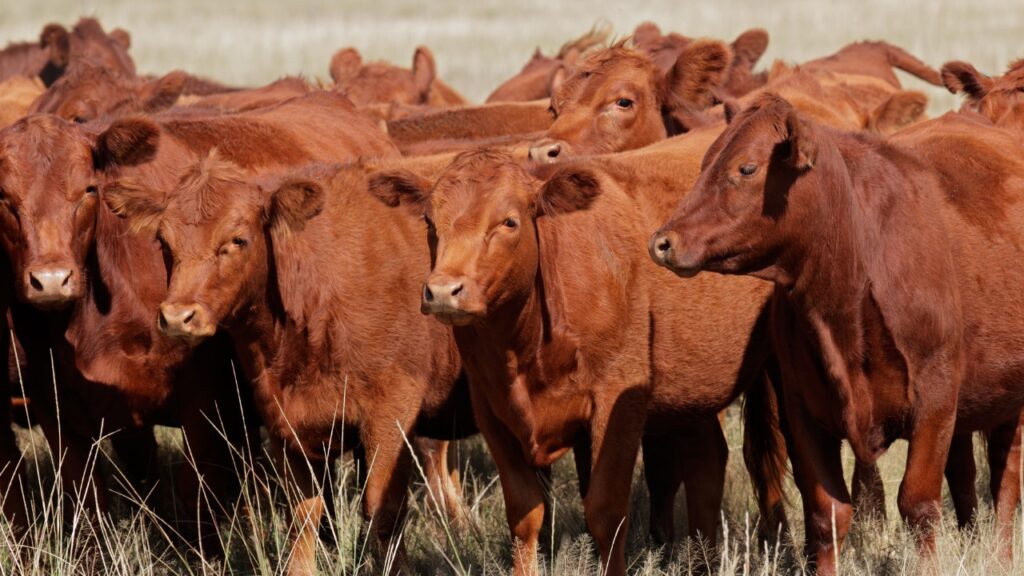
The livestock industry and its value chain support between 70,000 and 90,000 direct and indirect livelihoods across farming households, abattoirs, transport services, veterinary operations and rural retail businesses.
Simonis Storm estimates that a 10% contraction in livestock output due to export suspensions could directly reduce GDP growth by about 0.45 percentage points. When manufacturing spillovers are included, total growth losses could range between 0.5 and 1.0 percentage points in the affected year.
The report warns that a prolonged disruption to annual beef exports valued at N$5–6 billion would widen the trade deficit, reduce foreign exchange inflows and weaken manufacturing output through lower abattoir throughput and declining capacity utilisation.
Jansen described the regional FMD situation as a trade-linked biosecurity shock occurring during a sensitive phase of Namibia’s agricultural recovery.
The warning follows confirmed FMD outbreaks in South Africa’s Northern Cape, Botswana’s Disease Control Zone 6b and Zambia, which have increased transboundary disease risks. Botswana’s temporary restriction on fresh bovine meat exports to the United Kingdom after an outbreak demonstrates how quickly animal health status can translate into trade disruption, the report noted.
Maintaining Namibia’s FMD-free without vaccination status protects a livestock sector valued at N$15–17 billion, annual export earnings exceeding N$5–6 billion and up to 90,000 livelihoods.
Government has intensified border inspections, animal movement controls and veterinary surveillance, with additional funding approved for prevention and preparedness.
The report concludes that biosecurity spending should be treated as economic risk insurance, given the relatively low fiscal cost compared to potential multi-billion-dollar export losses. While FMD is not a staple food crisis, it poses a clear macroeconomic risk to export competitiveness, rural incomes and financial stability.