Tuesday, November 24, 2026
Subscribe
The Brief | Namibia's Leading Business & Financial News
  • Home
  • Companies
    • Finance
    • Agriculture
    • Technology
    • Property
    • Trade
    • Tourism
  • Business & Economy
  • E-PAPERreader
  • Mining & Energy
  • Opinions
    • Analysis
    • Columnists
  • Africa
No Result
View All Result
The Brief | Namibia's Leading Business & Financial News
Subscribe
No Result
View All Result
Home Latest

Fuel market dominance fears emerge as NaCC reviews Nasan–Vivo/Engen deal

by reporter
February 17, 2026
in Latest
14
A A

The Namibian Competition Commission (NaCC) has raised fresh concerns that a proposed transaction involving Nasan Energies Namibia’s acquisition of 52 service stations from the Vivo Energy/Engen group could undermine competition, threaten security of fuel supply and weaken consumer choice in the domestic petroleum market.

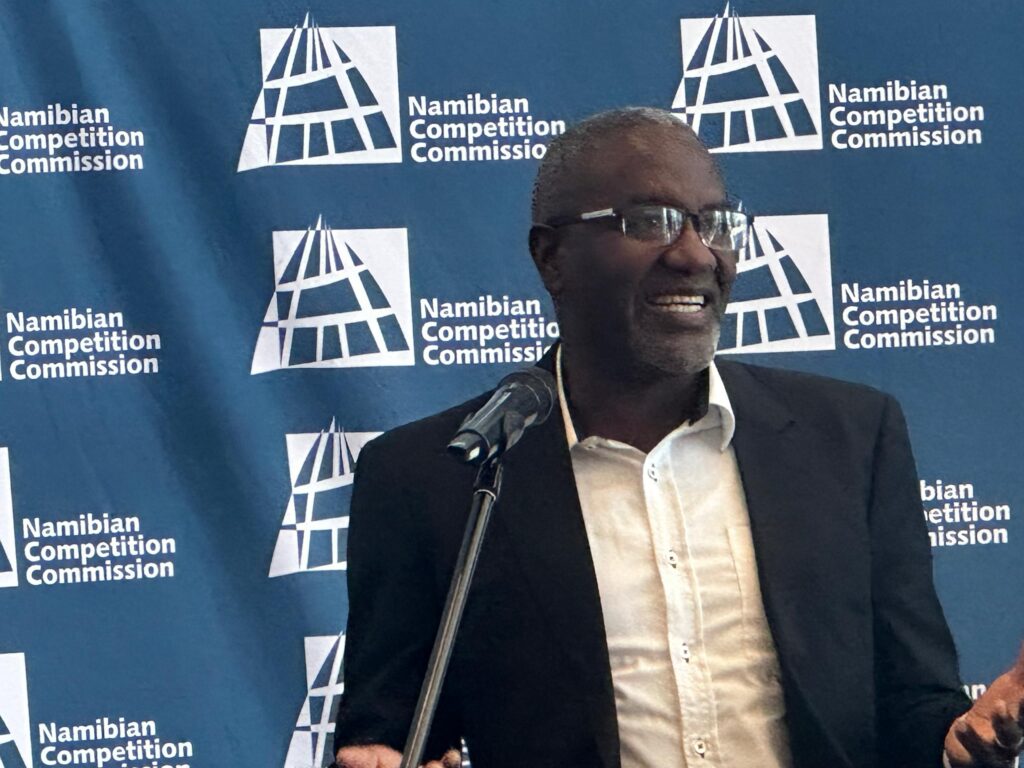
Speaking at a stakeholder engagement, NaCC Director of Mergers and Acquisitions Johannes Ashipala said the Commission is reassessing the divestment conditions imposed on Vivo/Engen in 2023, which were intended to reduce the group’s market share from approximately 60% to 40% and allow a new entrant to acquire around 20% of the market.

However, updated data for 2025 indicates that Engen/Vivo’s market share has increased significantly and is now estimated at between 75% and 95%. If the proposed transaction proceeds, projections show that Nasan Petroleum could retain between 50% and 65% of the market, while any new entrant would secure only between 10% and 25%.

“The intention in 2023 was to reduce that share to around 40%. The company was required to divest approximately 20% to enable a new entrant to acquire that share. That was the condition. The divestment condition stated that the purchaser of the divested assets must not have a pre-existing relationship with the merging parties,” Ashipala said.

He added that the conditions applied during the first divestment period between May 2024 and May 2025 and the second period between May 2025 and November 2025, during which the merging undertaking was also not permitted to continue supplying the divested service stations.

Presenting the Commission’s preliminary findings, Ashipala said the transaction is being assessed as a horizontal merger within the national market for the supply and distribution of petroleum products, with the analysis focusing on the future activities of the merging parties.

The Commission said that if economic links between the parties are considered, the combined market share could reach approximately 70%, significantly exceeding the 50% threshold that initially raised regulatory concern.

Ashipala said one of the Commission’s primary concerns relates to national security of supply, warning that excessive concentration in the retail and wholesale fuel markets could expose the country to risk in the event of operational or logistical disruptions.

“If we assume there is an economic relationship between the parties, the post-merger combined market share could be around 70%. Previously, we were concerned about a 50% share. Naturally, a 70% share raises even greater concern. Why are we concerned? Because the remaining competitors would collectively hold only about 20–30% of the market. This creates serious concerns regarding security of supply,” he said.

The NaCC also cautioned that significant market concentration could enable a dominant firm to exert disproportionate influence over regulatory and policy processes, particularly in consultations relating to pricing adjustments and licensing matters.

From a consumer perspective, Ashipala said the transaction could limit meaningful choice if a single entity controls a majority of service stations nationwide.

“We must also consider consumer choice. If one entity controls most service stations nationwide, consumers may effectively have no meaningful choice. Even if they travel to another town, they may still encounter the same supplier, pricing structures, and product offerings,” he said.


author avatar
reporter
See Full Bio
Previous Post

UAE trade minister heads delegation to Namibia to boost trade ties

Next Post

BoN grants second extension to Access Bank Namibia’s provisional licence

Must Read

Professional headshot of a smiling Black woman with straight black hair, wearing a pink blouse and black blazer.
Latest

Positioning Namibia in the new global investment landscape

November 24, 2026
Professional woman with arms crossed, wearing a green blazer in a modern office lobby.
Latest

A discount should improve your finances, not simply reduce a price

November 24, 2026
Stage setup for the National Accounting Summit 2026 with ICAN banners and chairs with microphones on the podiums.
Latest

Namibia has 108 registered auditors amid concerns over industry capacity

November 23, 2026
MTC invests N$4 million in staff side businesses
Latest

MTC’s corporate reporting earns regional recognition at Southern Africa awards

November 22, 2026
Two men sit at a conference table during a meeting; one in a white shirt gestures toward papers while the other in an orange polo listens. A binder and water bottles are on the table.
Latest

Ngurare orders urgent filling of 3,720 Education Ministry vacancies

November 22, 2026
A man in a black shirt speaks at a clear podium on stage, with a microphone and a decorative flower arrangement to the side.
Finance

DBN approves N$76.7m for 206 youth-owned businesses

November 20, 2026
Load More

Related News

Why Humility Is the New Competitive Advantage in Leadership

It’s one thing to be looked at, and another to be seen

April 30, 2026
Head-and-shoulders portrait of a smiling man in a dark suit, white shirt, red striped tie, wearing round glasses and a flag lapel pin.

FIC freezes and recovers over N$100 million in suspected criminal assets

June 25, 2026
Empowering Namibia’s future: Local content in the oil & gas sector with a focus on youth

Empowering Namibia’s future: Local content in the oil & gas sector with a focus on youth

August 1, 2024

Browse by Category

  • Africa
  • Agriculture
  • Analysis
  • Business & Economy
  • Columnists
  • Companies
  • e-edition
  • Finance
  • Finance
  • Fisheries
  • Green Hydrogen
  • Health
  • Investing
  • Latest
  • Market
  • Mining & Energy
  • Namibia
  • namibia
  • News
  • Opinions
  • Property
  • Retail
  • Technology
  • Tourism
  • Trade
The Brief | Namibia's Leading Business & Financial News

The Brief is Namibia's leading daily business, finance and economic news publication.

CATEGORIES

  • Business & Economy
  • Companies
    • Agriculture
    • Finance
    • Fisheries
    • Health
    • Property
    • Retail
    • Technology
    • Tourism
    • Trade
  • e-edition
  • Finance
  • Green Hydrogen
  • Investing
  • Latest
  • Market
  • Mining & Energy
  • namibia
  • News
    • Africa
    • Namibia
  • Opinions
    • Analysis
    • Columnists

CONTACT US

Cell: +264814612969

Email: newsdesk@thebrief.com.na

© 2026 The Brief | All Rights Reserved. Namibian Business News, Current Affairs, Analysis and Commentary

Welcome Back!

Login to your account below

Forgotten Password?

Retrieve your password

Please enter your username or email address to reset your password.

Log In
No Result
View All Result
  • Home
  • Companies
  • Mining & Energy
  • Business & Economy
  • Opinions
    • Analysis
    • Columnists
  • Africa

© 2026 The Brief | All Rights Reserved. Namibian Business News, Current Affairs, Analysis and Commentary

This website uses cookies. By continuing to use this website you are giving consent to cookies being used. Visit our Privacy and Cookie Policy.