Unfinished road works are constraining Namibia’s ambitions to become a regional trade and logistics hub, the Parliamentary Standing Committee on Economics and Public Administration has warned.
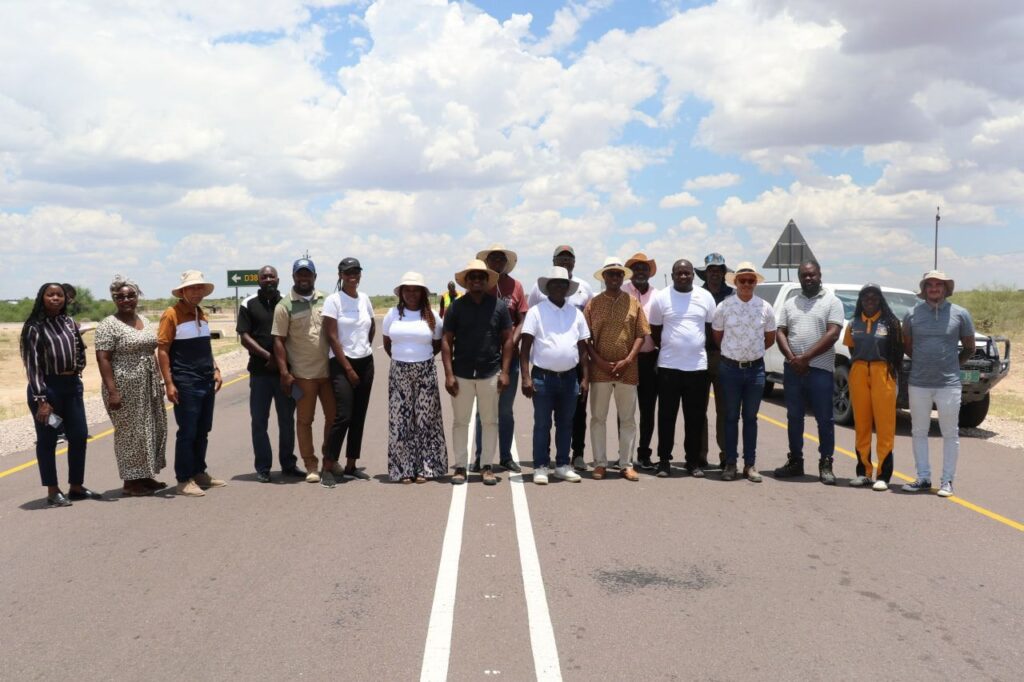
Speaking during a recent site visit and assessment of national road projects, committee Chairperson Ipumbu Shiimi said the committee had identified several sections of the road network where major construction work had already been completed, but projects had stalled at the final stage.
Shiimi said extensive earthworks and foundational structures were in place, yet progress had come to a standstill due to funding constraints.
According to on-site engineers, the affected road sections could be fully completed and operational within nine to ten months if the necessary resources were made available.
“It is important to complete what you have started before committing to other works or projects,” Shiimi said.
“Our appeal to the Ministry of Works and Transport, the Ministry of Finance and the National Planning Commission is to avail the necessary resources to complete these sections.”
He said the committee’s call is rooted in a strategic objective to position Namibia as a key logistics gateway for Southern Africa. Shiimi noted that Namibia’s coastal location offers a natural advantage in providing efficient access to ports for landlocked neighbouring countries.
By enabling faster and more cost-effective transport routes, he said Namibia could significantly increase trade volumes while stimulating domestic economic activity.
Shiimi said the completion of key trade corridors is expected to drive job creation, as increased traffic would raise demand for logistics services, vehicle maintenance, roadside facilities and related support industries.
He added that the resulting economic activity could contribute to poverty reduction by expanding revenue streams and creating employment opportunities across the country.
“By strengthening these corridors, Namibia will also deepen regional integration and strengthen economic ties with neighbouring countries through reliable and modern transport infrastructure,” Shiimi said.
“Our goal is to make these processes faster and more cost-effective. By doing so, we can promote trade, stimulate economic activity, create jobs and ultimately reduce poverty,” he added.