Namibia’s transport sector employs more than 30,000 people directly, with universities and vocational training centres playing a critical role in supplying the skills needed to sustain the industry, Works and Transport Minister Veikko Nekundi has said.
Nekundi said higher education institutions, including the Namibia University of Science and Technology (NUST), the University of Namibia (UNAM) and the International University of Management (IUM), together with vocational training centres, are central to government’s efforts to build the country’s transport skills base.
He said universities continue to produce engineers responsible for the design and management of Namibia’s transport corridors, while vocational centres are training artisans in trades such as mechanics and welding.
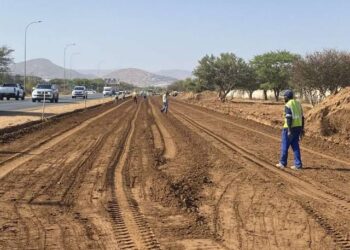
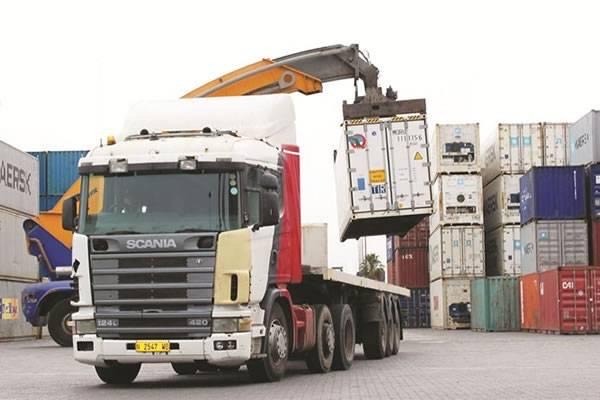
The minister said the transport sector is highly capital intensive and requires sustained investment to maintain, upgrade and expand roads, railways, ports and airports.
“Railways, ports and airports require significant funding and financial support. Therefore, our government, with our partners such as the African Development Bank, continue to support the provision to sustain and enhance our transportation infrastructure,” Nekundi said.
He confirmed progress on several strategic corridors, including plans to extend the Grootfontein–Rundu railway line into Zambia, continued development of the Trans-Kalahari Corridor linking Windhoek to Botswana, and advanced engagements with Angola to improve connectivity between Oshikango and Santa Clara.
“We are carefully on the advanced stage together with our brothers and sisters of the Republic of Angola to create the direct connectivity of the railway and the connectivity between Oshikango and Santa Clara border post to ensure that the railway movements between Angola reaches connectivity,” he said.
Nekundi said Namibia has established corridor secretariats to coordinate and manage regional routes, including the Trans-Kalahari and Trans-Caprivi corridors, both hosted in Namibia to streamline logistics across the region.
He added that cooperation with development finance partners has enabled tangible progress in the sector.
“As we speak today, last year and this year alone, a billion dollars of rail products was procured and continue to be procured because of the financial support, and I was informed that the last batch of the procurement of the contract is reaching finality of the 33-plus tonnage of railway is being finalised,” Nekundi said.