… as fund draws on reserves to finance projects
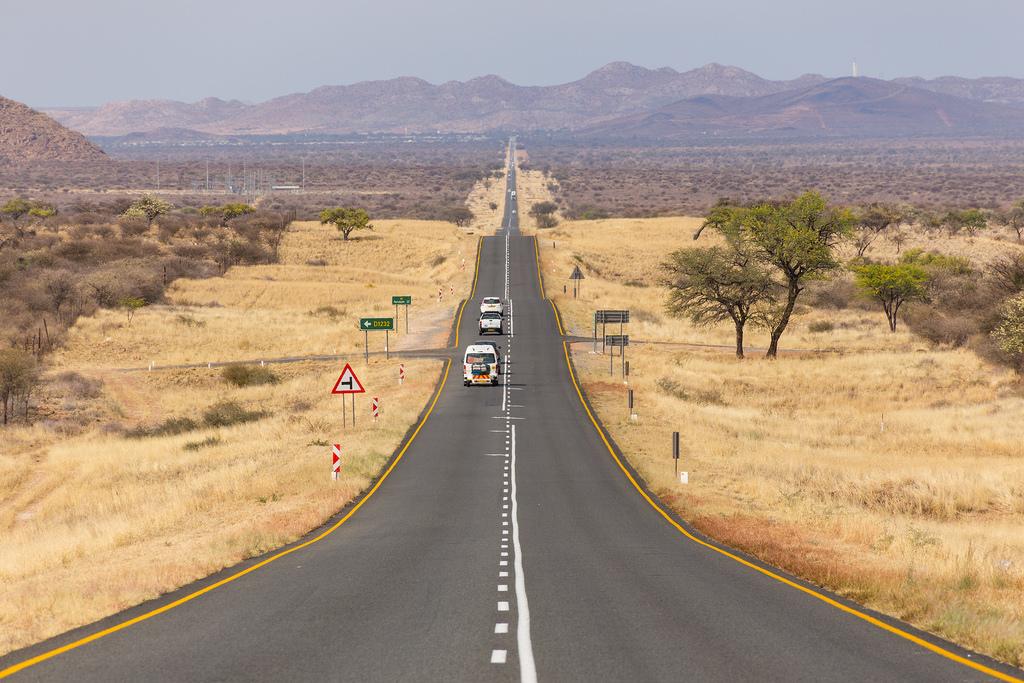
The Road Fund Administration (RFA) has warned that extending the fuel levy reduction beyond June could create a larger road funding crisis, forcing the country to defer maintenance and ultimately increasing the cost of repairing roads in future.
The warning comes after the temporary fuel levy cut, introduced to cushion motorists against rising fuel prices, reduced RFA revenue by an estimated N$100 million per month.
According to RFA Chief Executive Officer Ali Ipinge, the three-month measure has already cost the authority around N$300 million, money that would ordinarily be used to maintain and upgrade Namibia’s road network.
“We sympathise with why Cabinet took that decision. It was intended to cushion road users, but at the same time the revenue that was sacrificed is the same revenue used to ensure those road users have safe and well-maintained roads,” Ipinge said.
To prevent projects from stalling, the RFA has drawn between N$300 million and N$350 million from its reserves to fund maintenance works, emergency repairs and road programmes already approved for the current financial year.
The authority said postponing maintenance is not a viable option because road deterioration accelerates rapidly once repairs are delayed.
“We could have reduced road works because of the revenue shortfall, but we chose not to. Delaying maintenance today simply means paying significantly more tomorrow,” Ipinge said.
The warning highlights the growing tension between short-term consumer relief and long-term infrastructure sustainability.
Namibia’s road sector already faces an estimated funding shortfall of N$3 billion this financial year, even before accounting for the impact of the fuel levy reduction.
The situation is further complicated by Namibia’s fuel levy refund system, under which sectors such as mining, fishing, agriculture and construction receive substantial rebates because much of their fuel is consumed away from public roads.
According to the RFA, these refunds account for roughly 20% of total fuel levy collections annually.
Ipinge warned that a further extension of the levy reduction could force the authority to abandon plans for additional road projects and limit spending to programmes already approved in the current budget.
“Beyond June, if the fuel levy cut continues, we will not have the resources to fund additional programmes. We will only be able to complete what has already been planned,” he said.