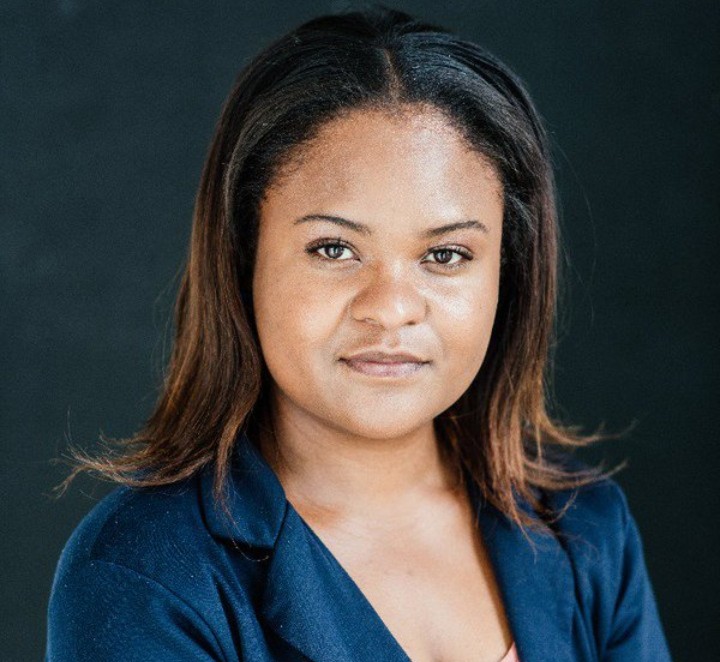
By Rochelle Dukeleni
Not too long ago media was buzzing with the news of new oil discoveries along the Namibian coastlines, specifically Luderitz and Walvis bay -it didn’t end there the conspiracy theorists and various political analysts very quickly jumped on the bandwagon of mass communication and very we quickly we realized how important it is for institutions and , individuals to ensure truthful and transparent reporting.
Do ordinary Namibians know and understand how different upstream and downstream operations are? How are they positioned to benefit as citizens of the country? Have lawmakers set aside budget provisions to spearhead information campaigns from grassroot level? All very few but important questions.
Namibia’s oil exploration has accelerated dramatically since 2022, when Shell and TotalEnergies made major offshore discoveries in the Orange Basin, revealing multi-billion-barrel reserves and sparking global interest.
TotalEnergies’ Venus-1X discovery is estimated to contain between 1.5 and 3 billion barrels of recoverable oil, potentially making it the largest in sub-Saharan Africa. Portuguese energy company Galp confirmed its Mopane discovery holds at least 875 million barrels of oil equivalent, with further upward revisions expected as appraisal data is analyzed. Other major players include BP, Eni, Shell, Chevron, and QatarEnergy, all actively exploring or appraising offshore blocks.
In the oil and gas boom, effective communication is crucial for positioning brands and ensuring a strong market presence. Companies must invest in communication strategies during downturns to demonstrate leadership and stay relevant.
This includes maintaining a visible and strategic presence, reinforcing value propositions, and building deeper relationships with stakeholders. By positioning communications strategically, oil and gas companies can recover faster and adapt to the energy transition, ensuring they are primed to benefit immediately rather than playing catch-up.
These discoveries have transformed Namibia from a low-priority exploration region into a global energy hotspot, attracting both international and African investors. It is very important that we harness effective communication through successful implemenation of outreach programs specifically aimed at sensitizing Namibians what it means for the ordinary man and woman on the street. Robust communication systems are critical and equally important.
The oil industry is one of the world’s most profitable sectors, and Namibia’s new reserves could significantly boost national revenues. The government stands to benefit through royalties, taxes, and revenue sharing agreements with international oil companies.
In a country where poverty remains a persistent issue, these additional financial resources could be channeled into much-needed infrastructure, education, healthcare, and social services. It is therefore important that the public sector takes on a information sharing project that will change the way people see the benefits of foreign direct investment.
The myths surrounding the oil discovery in Namibia include the belief that the country will immediately become a major oil producer and that the discovery will lead to widespread wealth and economic growth.
However, these expectations are not fully realized. The discovery has sparked global interest and investment, but the commercial viability of the reserves remains uncertain.
The challenges faced by companies like Shell in developing the resources have raised concerns about the long-term sustainability of the discovery.
Additionally, the potential for Namibia to become a significant player in the global energy market is still being evaluated, and the country must navigate the complexities of oil discovery and investment to ensure that the benefits are shared equitably among all Namibians.
Other countries can serve as cautionary tales in the handling of their newfound oil riches
Namibia must embrace the challenge of harnessing oil revenues for sustainable development while avoiding the traps of mismanagement and overdependence.
We must not be overly reliant on oil revenues; we need to divest from oil as the revenue starts flowing. The oil revenues must catalyze, creating an environment that promotes the growth of these other sectors. If global oil prices fall, we must be resilient enough as an economy to weather potential price shocks.
Nations often include citizens in oil discovery booms by implementing programs that distribute the wealth generated from oil and gas discoveries. These programs aim to ensure that all citizens benefit from the wealth, regardless of their location or status.
Examples are the small South American country of Suriname plans to share revenues from newly discovered oil- and gasfields off its coast.
After several discoveries of oil reserves by an offshore drilling project known as Block 58 from 2019 to 2023, President Chan Santokhi has unveiled an ambitious initiative called Royalties for Everyone” (RVI), aimed at ensuring that all Surinamese benefit from the wealth generated for the country, which experts value at about $10bn over the next 10 to 20 years.
Guyana, its neighbour, announced last month that hundreds of thousands of Guyanese citizens at home and abroad aged 18 and over will each receive cash payments of about 100,000 Guyanese dollars ($480).
Irfaan Ali, Guyana’s president, said in a statement in October: “Over the past week, thousands of Guyanese have engaged me and members of my cabinet, providing extremely favourable feedback on the measures.”