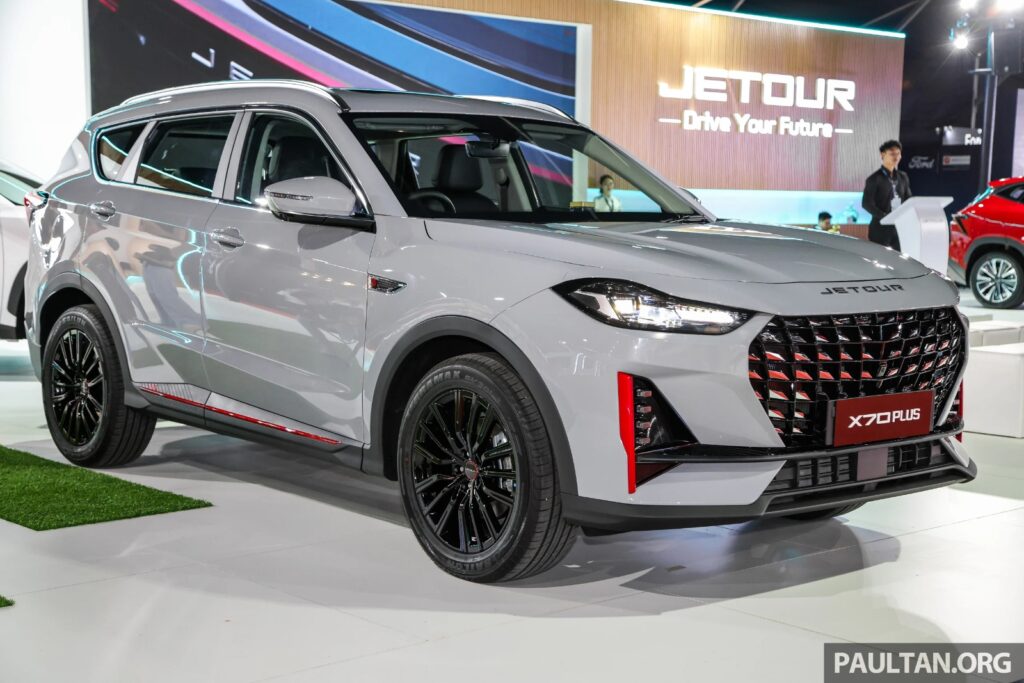
Novel Motor Company is expanding its vehicle portfolio in Namibia with the introduction of several Chinese automotive brands, focusing on hybrid powertrains, advanced in-vehicle technology and competitively priced SUVs and pickups.
Managing Director Johan Pretorius said the company holds Namibian franchise rights for brands including Jatour, Omoda, Jaecoo and Foton, broadening its offering alongside established marques such as Land Rover and Range Rover.
Pretorius said the expansion reflects shifting consumer preferences in Namibia’s automotive market, where buyers are increasingly assessing vehicles based on overall value, technology and operating costs.
“Buyers today are looking for true value in the product, not just price, but technology, fuel efficiency, service reliability and total cost of ownership,” Pretorius said.
The newly introduced vehicles span multiple market segments, ranging from entry-level SUVs to premium models, with several incorporating hybrid powertrains and digital features such as large infotainment displays, advanced safety systems and connectivity functions.
According to Pretorius, Chinese manufacturers have significantly strengthened their global competitiveness by combining advanced features with more accessible pricing.
“Chinese automotive brands have moved quickly from price-only players to innovators with strong value propositions,” he said.
Some models are entering the market at prices approximately 30% to 40% lower than comparable traditional brands, while offering higher specification levels and extended warranties.
The company is distributing the vehicles through its existing Namibian dealership network, with sales and servicing currently available in Windhoek, Walvis Bay, Otjiwarongo and Oshakati.
Pretorius said hybrid vehicles are expected to play an important role in Namibia due to the country’s long travel distances and limited charging infrastructure for fully electric vehicles.
“Hybrid systems improve fuel efficiency without requiring extensive charging infrastructure, which makes them practical for markets like Namibia,” he said.
The company added that it is strengthening its after-sales network to support the new product range, including planned upgrades to its Walvis Bay facility and expanded technical training for service teams.
Pretorius said the company invests approximately N$1.2 million annually in technical training, as modern vehicles increasingly rely on advanced electronics and software systems.
The group also cited improved supply chain resilience among Chinese manufacturers as a key factor supporting the expansion, with parts availability and dealer support networks strengthening in recent years.
Pretorius said Chinese brands are expected to continue gaining market share globally as technological innovation, hybrid powertrains and competitive pricing reshape the automotive industry.
“The global automotive industry is shifting quickly, and Chinese manufacturers are now major players in that transformation,” he said.