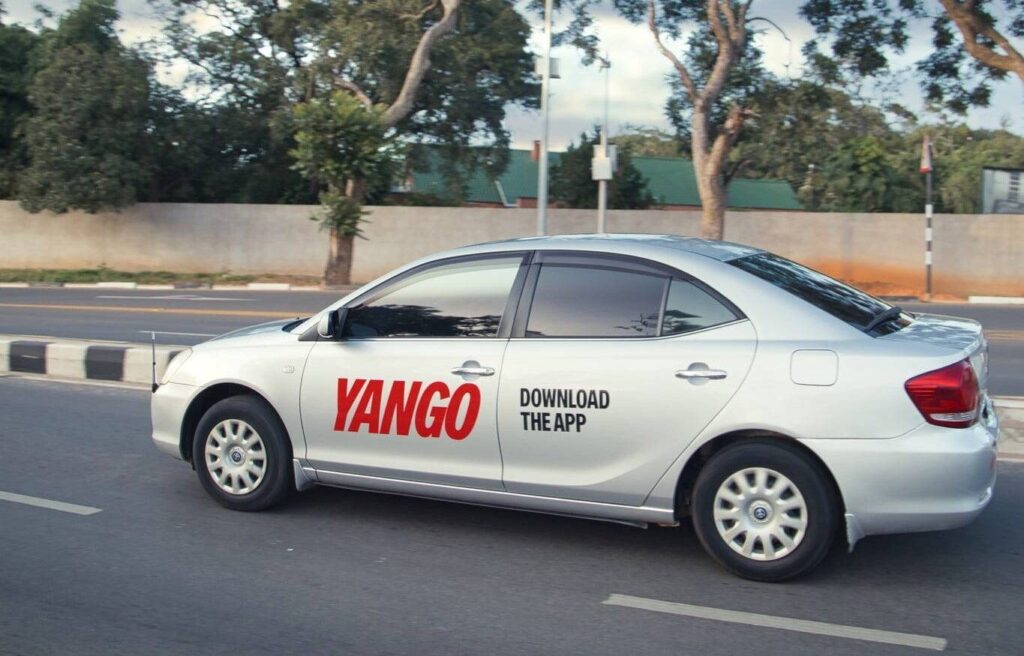
E-hailing operators have raised concerns over lengthy permit approvals, outdated legislation and administrative inefficiencies, warning that these challenges are constraining sector growth and limiting income opportunities for drivers.
The concerns were highlighted during an industry engagement hosted by Yango, where operators and partners pointed to structural bottlenecks affecting compliance and day-to-day operations.
Yango Group’s Head of Public Policy for Africa, Zanyiwe Asare, said the current permitting process is not aligned with the pace of the industry.
“We are told the process takes seven months or more. That is unrealistic for a fast-moving sector where demand is high,” Asare said.
She said delays in issuing permits are directly affecting driver participation and limiting access to affordable transport services.
“The backlog impacts opportunities for young people and the unemployed, while also affecting accessibility for commuters,” she said.
Asare also noted that Namibia’s regulatory framework has not kept pace with technological developments in the sector.
“The law dates back to the 1970s, yet in other markets technology is used to conduct real-time security checks and verify drivers and vehicles,” she said.
Despite the challenges, she said the company is encouraging drivers and fleet partners to begin the compliance process, with support provided for applications and documentation.
Operators said the permitting process is fragmented across multiple institutions, contributing to extended delays.
Josef Likoro, a Yango partner at JTP Tours and Safaris, said the process can take between six and nine months.
“Applicants must obtain documentation from several authorities, including police clearances, roadworthy certificates and approvals from the Roads Authority. The decentralised process is a major challenge,” Likoro said.
He said a centralised and digitised system could significantly improve efficiency.
Ashley Mafuwe, a Yango partner at Umaja Tours and Safaris CC, said additional concerns relate to permit approvals and enforcement practices.
“Some investors with valid work permits are being rejected because they are foreigners, while drivers who have already applied are being fined due to delays beyond their control,” Mafuwe said.
Industry participants said the combination of regulatory delays and outdated frameworks is limiting the sector’s ability to scale efficiently.
The concerns come as government intensifies oversight of the sector. Authorities have issued a 56-day ultimatum to e-hailing platforms, including Yango and inDrive, to comply fully with national transport regulations.
Under the directive, operators have 28 days to meet compliance requirements, followed by a 28-day verification period before enforcement measures are implemented.
The timeline was agreed following a meeting between regulators, platform operators and drivers in Windhoek, led by Information and Communication Technology Minister Emma Theofelus and Works and Transport Minister Veikko Nekundi.
Operators warned that without regulatory reform and streamlined processes, compliance efforts may remain constrained despite growing demand for e-hailing services.